I get it: you’re ready for a career change, but your partner might mutter “uh-oh” under their breath. The good news? With a little tact, honesty, and a dash of humor, you can turn this into a team project—not a fear-packed confrontation. Let’s talk through how to bring up the topic, map out the plan, and keep the peace while chasing your next chapter.
Why talking matters more than dramatic conversations
You don’t want this to feel like a secret mission or a verdict. The goal is transparency, collaboration, and shared vision. When you open up early, you give your partner a seat at the table instead of a front-row seat to a surprise performance. FYI, a calm, practical conversation beats a heated argument every time.
Start with clarity: what you’re thinking and why

Before you drop the big bomb, do a quick internal audit. What’s driving the change? Better pay, more meaning, less burnout, a love for a different field? Jot down a few bullet points so you can lay them out clearly.
Free workbook: Want a simple way to practice this? Get the free 7-Day Couples Communication Reset.
Get the Free 7-Day Reset- State the motivation in one sentence. Example: “I’m seeking more creative control and long-term growth.”
- Highlight the benefits for both you and your relationship. Better job satisfaction can reduce stress at home.
- Be honest about trade-offs. More training? Longer commute? Temporary pay cut?
Timing and framing: when and how to bring it up
Timing is the secret sauce. Don’t spring this during a hurricane of chaos at home or right before a big deadline. Pick a low-stakes moment when you can actually talk.
- Choose a calm evening or a Sunday coffee ritual—no rushing.
- Lead with curiosity, not accusation. “I’ve been thinking about this for a while, and I’d love your thoughts.”
- Set expectations: you’re in this together, not asking for permission, but requesting support.
Share the plan, not just the dream

Stories are great, plans are better. The partner who loves you wants to know you’ve thought this through. Bring a simple, actionable outline.
- Current status: what you’re leaving, what you’re gaining.
- Timeline: key milestones over the next 3–12 months.
- Steps: certifications, courses, networking, side gigs, freelance gigs, volunteering.
Creating a rough roadmap
Break the plan into bite-sized steps so it doesn’t feel like you’re jumping into a void.
- Short-term: research and skill-building (2–4 months).
- Mid-term: practical applications (projects, internships, freelance).
- Long-term: target roles, applications, interviews.
Invite their perspective: how to handle feedback like a pro
Your partner might worry about money, stability, or the unknowns. Invite their concerns with open arms. This isn’t a debate—this is a cooperative brainstorm.
- Ask specific questions: “What would make this feel safer for you?”
- Listen actively: restate what you hear, confirm you’ve understood.
- Validate their feelings, then explain your reasoning in calm terms.
Common concerns and how to respond
– Money: be concrete—timeline, budget, and how you’ll cover basics during the transition.
– Stability: emphasize transferable skills and a plan for revenue in the meantime.
– Support: propose regular check-ins to stay aligned.
Show progress, not just talk: tiny wins matter
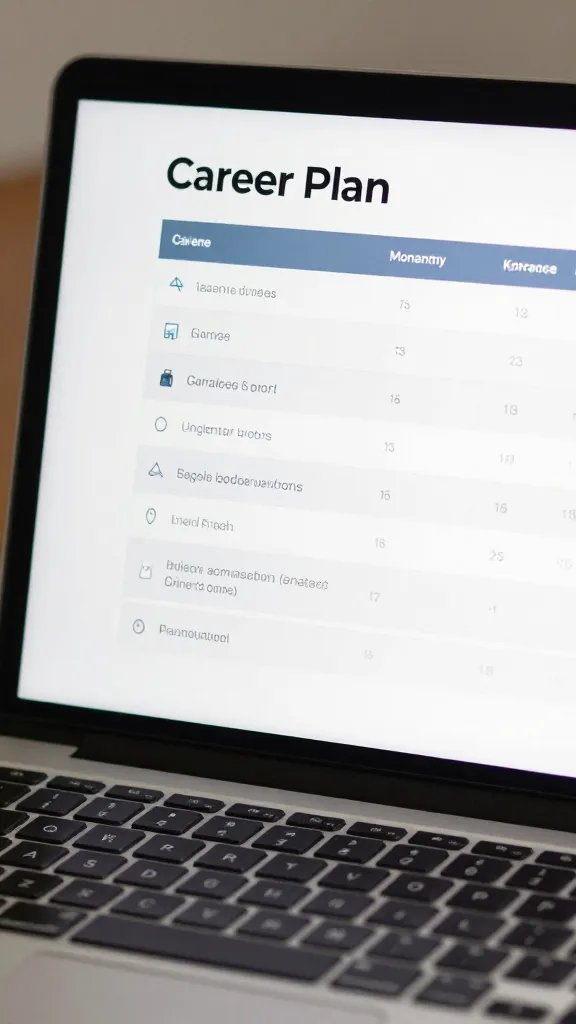
Words are nice, but results matter more. Demonstrate momentum to keep your partner on board.
- Complete a relevant short course or certificate.
- Finish a side project that showcases your new direction.
- Set a monthly check-in for updates and adjustments.
Automation and accountability tips
– Create a shared tracker (a simple doc or Trello board) with milestones and dates.
– Agree on a weekly 15-minute catch-up to troubleshoot roadblocks.
– Celebrate small wins publicly in your home life too—yes, even a small win deserves a high-five.
Need help putting this into practice? The free 7-Day Couples Communication Reset gives you simple daily prompts for calmer conversations.
Download the Free ResetProtect the relationship, not just your career
A new career path can ripple through personal life. Guard the relationship by keeping empathy front and center.
- Avoid absolutes: don’t say “This is the only path” or “I’ll never regret this.”
- Use “we” language: “How can we make this work together?”
- Practice patience: change takes time, and YouTube tutorials don’t want to be your only mentor.
When conversations go off the rails
– Pause and breathe. A few deep breaths can reset tension.
– Acknowledge emotions: “I hear you’re worried; I’m not ignoring that.”
– Propose a pause and revisit time if things get heated.
Practical steps you can take this week
If you want to act fast, here’s a starter pack for the next seven days.
- Day 1: Write your motivation pitch and a rough timeline.
- Day 2–3: Talk to a mentor or friend in the field; gather realistic expectations.
- Day 4: Brush up your resume and LinkedIn with your new target branding.
- Day 5: Draft a simple plan for certifications or courses.
- Day 6: Have a calm, structured conversation with your partner using your plan as a guide.
- Day 7: Set up a 2-week check-in to adjust the plan based on feedback.
FAQ
Is it okay to pursue a career change if my partner isn’t fully on board?
Yes, but keep communicating. Share your plan, listen to their concerns, and show progress. If they’re truly resistant, you may need more time to build a safer path or involve a career coach to mediate. IMO, you both deserve a say, but you don’t have to surrender your dreams to keep the peace.
How transparent should I be about finances during the transition?
Be practical, not dramatic. Share your budget, the expected income gaps, and contingency plans. A concrete plan reduces anxiety and builds trust. FYI, numbers don’t lie, but they do help tell the story of how you’ll land on your feet.
What if my partner’s fears seem unfounded?
Acknowledge the fear, validate it, and present data or examples to counter it without belittling the emotion. If they’re concerned about risk, propose a gradual transition with check-ins and milestones. This shows you’re serious and considerate.
How long should this process take?
There’s no one-size-fits-all answer. A solid plan can take a few months to a year, depending on the field and training needed. The important part is consistency and visible progress, not perfection.
What if I want to pivot again after starting?
Expect evolution. Build flexibility into your plan, and maintain open lines of communication. Your partner will appreciate adaptability and honesty as you navigate your path.
Conclusion
Changing careers isn’t a catastrophe; it’s a chapter. The key is to talk early, plan thoughtfully, and keep the relationship in the loop. When you bring your partner in as a collaborator, you convert a potential stressor into shared momentum. So grab your plan, crack a joke, and start the conversation—your future self will thank you. And hey, if you need to vent, I’m here for the pep talks and the practical next steps. IMO, you’ve got this.
Ready to practice better communication?
Start with the free 7-Day Couples Communication Reset, or explore the full Couples Communication Workbook & Handbook for deeper guided exercises.