You and your partner plus social media. It can be messy, or it can be a pact you actually enjoy. Let’s set up boundaries that protect your relationship and still let you savor the internet’s good stuff. Ready to level up your online duo life? Let’s go.
Why boundaries matter in a couple’s social media life
You’re not just absorbing feeds, you’re sharing a life. Boundaries are the GPS that keeps you from drifting into insecurity, miscommunication, or endless scrolling drama. Without them, little things pile up into big fights. With them, you get clarity, trust, and a little more peace of mind. FYI, this isn’t about policing each other; it’s about consent, respect, and sanity.
Kickoff: 3 non-negotiables to agree on first

– Privacy vs. transparency: Decide what stays private and what you’re comfy sharing. It’s possible to be open without oversharing every detail.
– Account boundaries: Who follows whom? Do you respond as a couple or as individuals? Set expectations for DMs, comments, and tagging.
– Time boundaries: Are you allowed to check each other’s phones or profiles during date nights or after work? Define when it’s a no-go.
Free workbook: Want a simple way to practice this? Get the free 7-Day Couples Communication Reset.
Get the Free 7-Day ResetDeeper dive: privacy versus transparency
Boundaries aren’t about spying; they’re about comfort. If one person feels exposed by public posts or responders, you’re headed for friction. Try this: pick topics you’re both cool sharing publicly and topics you prefer to keep private. Revisit this every few months—people change, platforms change, moods change.
Deeper dive: handling DMs and comments
Agree on how to handle curious messages or unsolicited comments. Some people want direct access to each other’s inboxes (trust!), others prefer not to peek. Decide who handles what and what qualifies as a “red flag” message that needs a joint chat.
Create a shared boundary toolbox
Think of this as your couple’s manual for online life. It can include:
- Posting guidelines: What’s fair to post about your partner? What requires a quick check-in?
- Tagging rules: Do you tag each other? In what situations? Do you want to be tagged in spicy or risque content?
- Comment etiquette: How do you respond to strangers vs. friends? Do you block or mute first, ask first, or both?
- Time blocks: Screen-free windows for romance, meals, and dates. Yes, those moments deserve a tiny ritual.
Practical starter kit
– Pick two non-negotiables you both agree on today. It could be “no flirting comments on each other’s posts” or “no DMs from exes.”
– Designate a weekly check-in. 15 minutes, max. No guilt trips, just quick alignment.
– Create a simple “off-limits” list for humor or sensitive topics. Boundaries can flex, but the list keeps you grounded.
How to talk about boundaries without turning it into a showdown
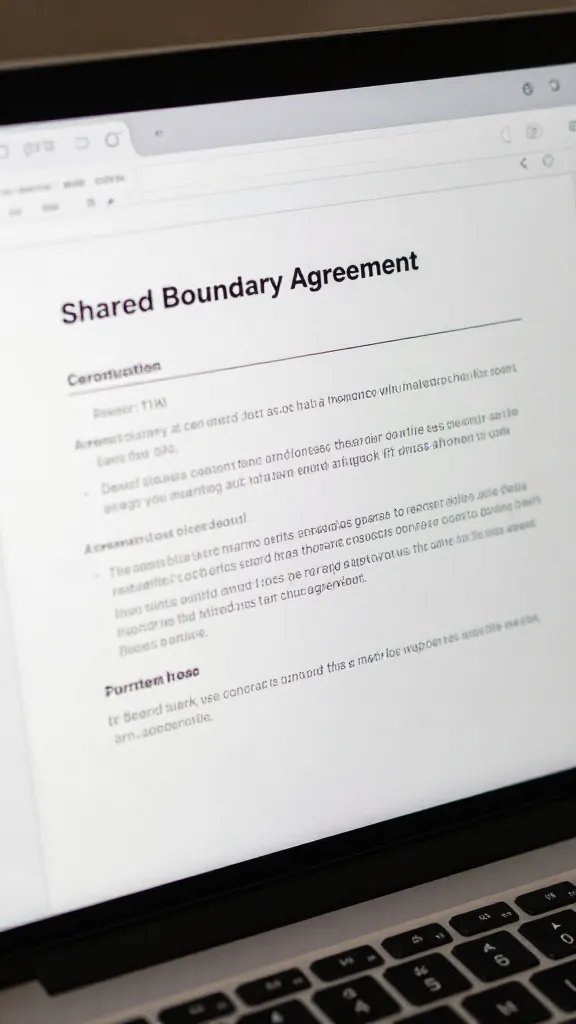
Conversations about boundaries can feel awkward. Here’s how to make them feel like a team huddle, not a courtroom drama.
- Lead with “I” statements: “I feel anxious when I see X, so I’d like to try Y.”
- Be specific: Vague rules breed loopholes. Define what counts as “overly flirty” or “private information.”
- Invite input: Ask, “How does this land with you?” It’s a two-way street.
- Test and tweak: Boundaries aren’t forever. Revisit after 2–4 weeks and adjust.
Sample script you can borrow
“Hey, I want us to feel secure online. If I post something about us, I’ll show you first. If you ever feel uncomfortable with a post or a comment, tell me right away. And let’s agree not to comment on each other’s past relationships in a way that could hurt either of us.”
Dealing with the occasional slip-up without blowing things up
Slip-ups happen. A stray late-night like, a flirty DM, a post you regret. The key is how you recover.
- Own it fast: Acknowledge what happened without excuses.
- Clarify next steps: What will you do differently now? Block, mute, delete, or explain?
- Reaffirm your boundaries: Restate what you both agreed on and why it matters.
When to pause options
If the boundary breach triggers trust issues, take a pause on public sharing for a week or two. Do a mini-retreat: nice conversation, no phones at the table, and a plan for moving forward.
Need help putting this into practice? The free 7-Day Couples Communication Reset gives you simple daily prompts for calmer conversations.
Download the Free ResetMaintaining intimacy in a world of reels and chaos

Social media is loud. How do you keep connecting without feeling like you’re competing with notifications?
- Quality over quantity: One thoughtful post about your partner is worth ten thirsty comments.
- Date-night social media: Agree to a social media fast during dates or plan a joint post after you’ve left the restaurant.
- Celebrate real life: Post memories that feel authentic to your relationship, not just polished highlights.
Smart posting tips
– Use captions that invite conversations between you two, not just strangers.
– If you’re posting about an argument, wait a day and run it by your partner first. Better safe than a messy comment thread you’ll regret later.
When boundaries clash with friends, family, and exes
Other people’s opinions can muddy the water. Determine how much influence others get over your couple’s space.
- Stick to your pact: Your boundaries apply to all parties, even well-meaning relatives.
- Neutralize drama: If a friend comments in a way that tests your boundary, address it calmly with both of you present.
- Selective sharing: You don’t owe IG backstory about every relative. Keep it simple and respectful.
Handling exes in the DMs
Decide your policy together. Some couples block exes; others keep a polite, transparent approach. Decide what’s healthiest for both of you and stick to it.
FAQs
How long should we discuss boundaries before implementing them?
Boundaries should be discussed until you both feel heard, which usually takes a few focused conversations. Then test for 2–4 weeks, adjust, and commit. Don’t rush the process; it’s a living agreement.
What if one of us needs more privacy than the other?
That’s okay. Respect is the goal. If one partner wants more privacy, create a plan that honors that wish while keeping transparency where it matters most. Revisit it regularly to ensure both feel comfortable.
Is it okay to block someone who constantly triggers jealousy?
Yes. Protect your peace. Blocking or muting in the moment can prevent escalation, and you can discuss those choices later when you’re calmer.
How do we handle future platform changes (new apps, new etiquette)?
Treat changes as new boundary scenarios. Schedule quick check-ins every few months to adapt. The internet evolves; your boundaries can evolve too.
What if one person wants more public visibility than the other?
Have an honest talk about comfort levels and risk tolerance. Compromise can mean doing more private posts or agreeing on a shared branding approach. No one should feel coerced into oversharing.
Conclusion
Boundaries aren’t a boring checklist; they’re a shared contract that protects your relationship from online noise. When you set them thoughtfully, you gain clarity, stronger trust, and more room for real connection. Yes, it takes effort, but so does loving a real human who occasionally posts questionable memes. IMO, the payoff is worth it. Start with two non-negotiables, schedule a quick check-in, and keep the conversation light-hearted. You’ve got this.
Ready to practice better communication?
Start with the free 7-Day Couples Communication Reset, or explore the full Couples Communication Workbook & Handbook for deeper guided exercises.