If you share a bed, you share the thermostat. Simple fact, tricky problem. One partner sweats through a room like a cactus, the other chills under a mountain of blankets. Let’s figure out how to make the climate a love language, not a battlefield.
Meet in the Middle: Why Temperature Tensions Happen
We’re not arguing about politics here—just about the thermostat. Small differences in metabolism, sleep stages, and bedding can turn a cozy night into a mini-heatwave or frosty escapade. FYI, your body’s core temperature drops as you fall asleep, while room temperature can keep that drop feeling like a rollercoaster. So yeah, timing matters. But it’s not unsalvageable.
Know Your Ideal Range Without the Drama

First step: talk, don’t scorched-earth debate. Share your comfort range and your non-negotiables.
Free workbook: Want a simple way to practice this? Get the free 7-Day Couples Communication Reset.
Get the Free 7-Day Reset- Partner A: prefers 65-68°F (18-20°C) for ideal sleep.
- Partner B: wants 72-75°F (22-24°C) to avoid shivering and wakefulness.
If you’re not sure, track a few nights of sleep temps and how you felt. A simple range helps you see the gap without accusing the other person of intentionally ruining your sleep. IMO, a little data beats a lot of drama.
Tools of the Trade: Gear and Setup that Help
Your battle station matters as much as your bedtime routine.
Layered Bedding
Layers are your friend. Think sheet, light comforter, and a duvet or heavier blanket you can peel off. If one of you runs hot, opt for breathable fabrics like cotton or bamboo and a lighter duvet. If you run cold, add a throw blanket you can tuck around you.
Separate—but Not Divided
Door-to-door temperature control can be a tiny victory. Consider:
- Two-zone systems or a programmable thermostat.
- Individual heated blankets or cooling pads for each side.
- Adjustable bed platforms or under-bed fans, if you’re into gadgets.
You don’t need to go full on HVAC engineer mode, just options that let each person have a comfy corner.
Smart Sleep Accents
Small tech can help without turning your room into a sci-fi set:
- Smart lighting that shifts warmth as you wind down, cueing melatonin production.
- Sleep-compatible fans or quiet white-noise machines that don’t wake the other person.
- Breathable sleepwear for both partners—think moisture-wicking fabrics.
The 5-Second Rule: Quick Adjustments to Save the Night

When someone’s too hot or too cold, emotions rise faster than the thermostat dial.
- Pause the argument. Take a breath. You’re not enemies; you’re teammates with different preferences.
- Identify the trigger: heat, cold, or humidity? Pinpointing helps you react, not retaliate.
- Make a zero-fuss change: add/remove a blanket, crack a window slightly, or tweak a fan direction.
- Check-in style: “Would you like me to adjust the temp or swap the blanket?”
- Celebrate small wins: high-fives for a comfy night.
Strategies for Common Scenarios
Scenario A: One Partner Sleeps Like a Furnace
If you’re warm-blooded and love the blankets, you might be comfortable at 70-72°F, while your partner is shivering at 66°F. Try:
- Use a lighter duvet for you and a separate blanket for your partner.
- Turn on a ceiling fan or a small desk fan blowing gently towards your partner’s side.
- Opt for breathable pajamas and moisture-wicking sheets to reduce night sweats.
Scenario B: One Partner Freezes at Night
If you’re always chilly, you may want a warmer blanket, extra socks, or a space heater in a safe, low-heat mode pointed away from the bed. Practical tips:
Need help putting this into practice? The free 7-Day Couples Communication Reset gives you simple daily prompts for calmer conversations.
Download the Free Reset- Bedside adjustments: a heated blanket on your side only.
- Keep the room mildly warm before you climb in, then drop the temp slightly to avoid morning shock.
- Invest in thermal sleepwear and a warm, breathable blanket.
Scenario C: Humidity and Breathability
Humidity can amplify warm or cold feelings. If the air feels muggy, run a dehumidifier a couple of hours before bed. If the air is bone-dry, a humidifier can make the room more comfortable. Quick wins:
- Airflow: crack a window 1-2 inches if outside air is comfortable.
- Hydration: keep a glass of water nearby; dehydration can make you feel oddly off-balance.
Communication Wins Without the Night-Long Debate
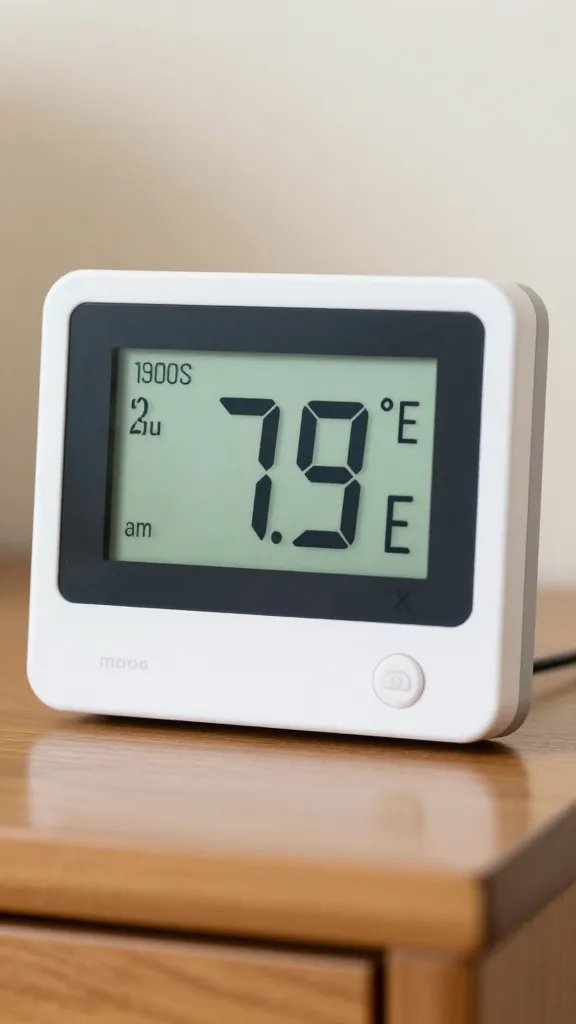
Talking about temperature doesn’t have to feel like a life-or-death treaty.
How to Talk About It Without Making It Personal
– Use “I” statements: “I feel chilly at night” instead of “You keep the room too cold.”
– Focus on solutions, not blame.
– Schedule a weekly temperature check-in if it helps you stay proactive.
What If You’re Both Happy with Different Settings?
That’s a win. Respect the boundary by using separate blankets, or a small fan directed toward one bed area. You might even declare a “cool side” and a “cozy side” of the room for good vibes.
Rituals That Normalize Different Comfort Levels
Rituals beat friction. Try these as part of your bedtime routine.
- 30-minute pre-bed wind-down where you adjust temps and pick blankets together.
- Partner swaps on alternate nights for control—one night you pick, the next night they do.
- A shared “comfort score” from 1 to 5 each night to track what works.
FAQ
How do we decide on a baseline temperature?
Start with a compromise zone that feels acceptable to both, then tweak based on seasons and sleep stages. If one person’s still unhappy after a week, revisit the range and consider separate blankets or zones.
Can we use separate blankets without it feeling weird?
Absolutely. Separate blankets are practical and non-confrontational. They signal, “I’m comfy, you’re comfy, we’re still in this together.” Flexibility beats rigidity.
What role should humidity play in our plan?
Humidity affects perceived temperature. High humidity can make cool air feel damp and uncomfortable, while low humidity can make the air feel cooler. Use a humidifier or dehumidifier to stabilize the room’s moisture level; aim for a mid-range humidity that feels comfortable for both of you.
Is it weird to set different sleeping temps on weekdays vs weekends?
Not at all. Weekdays demand stricter routines; weekends, you can experiment. If your schedule swings, keep goal temperatures in a flexible window—your bodies will thank you.
When should we call in a professional for deeper issues?
If one partner consistently cannot sleep due to temperature despite practical changes, consider discussing with a healthcare professional. Temperature sensitivity can relate to medical issues or medications, and it’s worth checking in.
Conclusion
Your bed should feel like a comfort zone, not a battleground. By talking honestly, layering thoughtfully, and using smart strategies, you can honor both partners’ comfort without sacrificing sleep. FYI, a tiny amount of compromise goes a long way—and a good night’s sleep is the best kind of foreplay. Stay flexible, stay respectful, and you’ll turn those chilly or toasty nights into low-drama, high-good-sleep wins.
Ready to practice better communication?
Start with the free 7-Day Couples Communication Reset, or explore the full Couples Communication Workbook & Handbook for deeper guided exercises.