It’s all about finding common ground (and a little humor) when your dining rails don’t align. Food can fuel love or fuel frustration—depending on how you handle it. Let’s talk through practical, down-to-earth strategies to navigate different eating habits without turning dinner into a battleground.
Start with curiosity, not judgment
Is your partner’s plate a mystery to you? That’s okay. Approach differences with curiosity instead of critique. Ask questions like, “What’s your favorite comfort dish and why?” and really listen. FYI, you’ll learn a lot about childhood memories, cultural influences, and personal tweaks that matter. Keeping the vibe light helps people open up instead of putting up defenses.
Map out your eating styles as a tag team
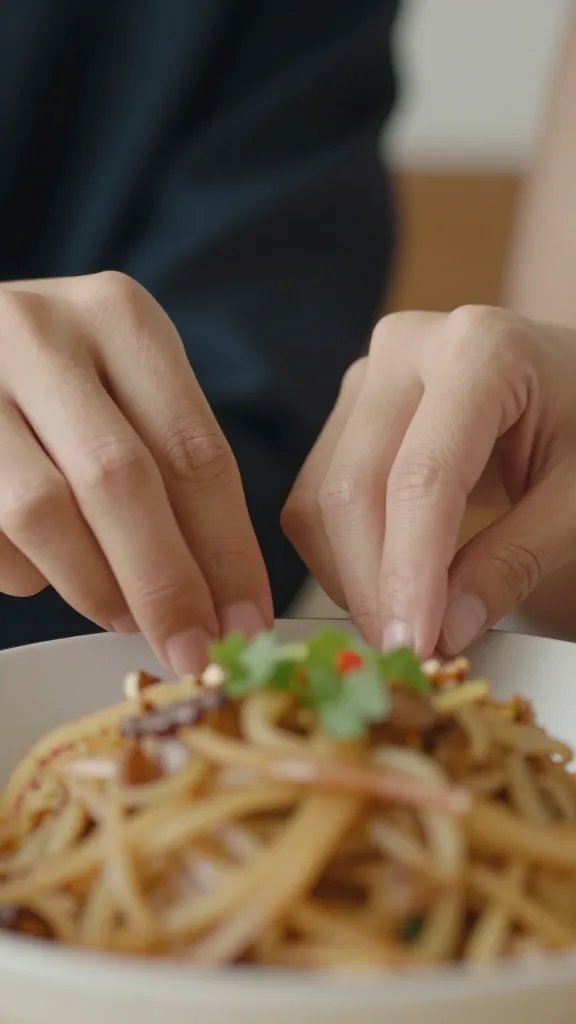
No need to pick sides like you’re in a debate club. Create a simple map of each other’s habits.
Free workbook: Want a simple way to practice this? Get the free 7-Day Couples Communication Reset.
Get the Free 7-Day Reset- Who eats on a schedule and who wings it with timers?
- Who prefers cooked meals and who’s into raw or crunchy textures?
- Who follows dietary rules strictly and who’s more flexible?
Once you see the patterns, you can design meals that satisfy both. It’s not about changing who you are; it’s about coordinating your feeding choreography.
Build a flex-friendly toolkit
Having a few go-to strategies makes this stuff effortless.
Meal planning that honors both sides
– Pick a couple of core meals you both enjoy and can customize.
– Leave a night or two for “whatever we want” so spontaneity doesn’t feel threatening.
– Keep a shared grocery list with quick wins like pre-cut veggies, proteins, and sauces that fit multiple styles.
Separate but together dinner options
If one person loves a heavy, meat-forward dish and the other prefers plant-based, consider a base with add-ins. For example, a burrito bowl where you both choose your toppings. It’s the same container, different directions. Easy wins, fewer conflicts.
Communicate boundaries without turning it into a diet war

Clear communication beats silent resentment every time.
- Express needs, not judgments: “I miss before we ate together every night” instead of “You’re always eating that junk.”
- Set boundaries kindly: “Let’s agree not to pressure each other to change forever.”
- Use “we” language: “How can we make mealtime better for both of us this week?”
If one person feels pressured or shamed, resistance spikes. You’re aiming for cooperation, not coercion.
Get creative with compromises that feel fair
Compromise isn’t a dirty word—it’s the secret sauce.
Rotate menus with a twist
Pick two dishes that reflect each other’s preferences and swap flavors weekly. This keeps things fresh and shows you care about the other person’s tastes.
Make room for “your dish, my dish” nights
Sometimes one person should feel proud of a favorite dish they cooked solo. It builds confidence and keeps the peace. A little individual space at the table can go a long way.
Need help putting this into practice? The free 7-Day Couples Communication Reset gives you simple daily prompts for calmer conversations.
Download the Free ResetThat texture thing? Let’s decode it together
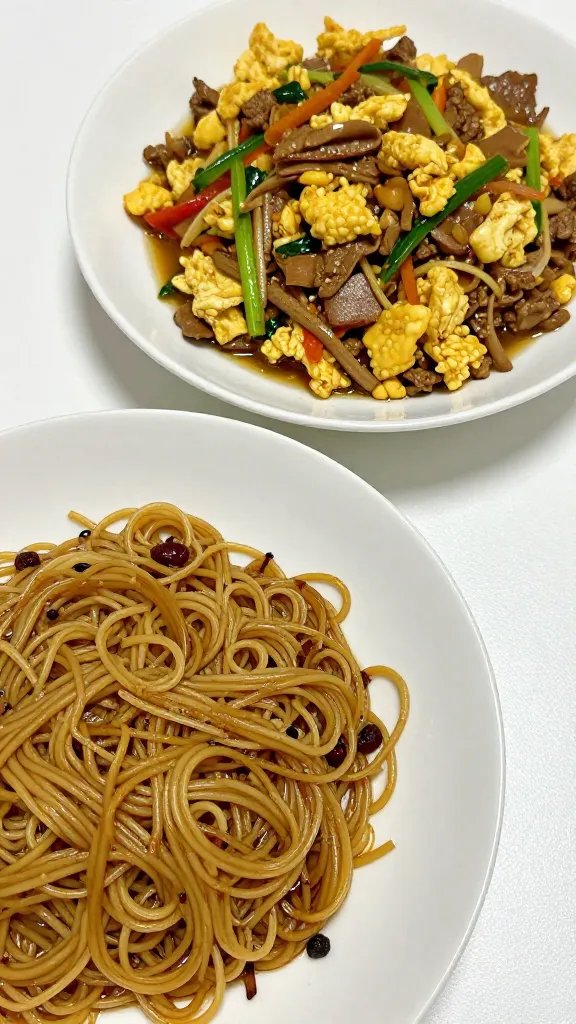
Texture battles are real. Crunch, creaminess, and chewiness can decide whether someone actually enjoys a bite.
- Offer texture-altering add-ins: croutons, nuts, seeds, crispy toppings.
- Cooked vs. raw: some people tolerate raw veggies poorly, others won’t eat cooked greens. Adjust cooking levels or swap ingredients.
- Temperature matters: warm food feels comforting; cold can be refreshing. Balance with a hot side or a cold topping.
From experience, small tweaks—like adding a crunchy element to a soft dish—can make a world of difference. The goal is comfort, not perfection.
Special occasions and the “stringent eater” scenario
Special events can turn into minefields if one person’s rules clash with the other’s desires.
Plan ahead for holidays
– Check menus in advance, identify a couple of safe crowd-pleasers.
– Offer to bring a dish that honors both sides.
– Agree on a non-judgment rule: “If I eat something I don’t normally, don’t call me out.”
When a ritual becomes rigid
If someone’s eating ritual starts to overshadow the moment, gently propose a short break and a reset. “Let’s savor the moment, and if we want to revert to the ritual later, we can.” It preserves the relationship and reduces stress.
FAQ
Q1: How do we handle one partner with strict dietary restrictions?
A1: Start with empathy and practical planning. Schedule meals where the restricted person can enjoy their choices without making the other feel excluded. Cook together when possible, and label shared meals clearly. If you’re cooking separately, keep it simple and don’t imply the other person’s diet is “wrong.”
Q2: What if our tastes are completely opposite?
A2: Find overlap and celebrate differences. Double up on meals that can be customized, like tacos, bowls, or pasta where toppings differ. Respect each other’s choices and avoid pressuring the other to change. IMO, you’ll enjoy the contrasts more than you expect.
Q3: How do we avoid arguing over who cooks?
A3: Rotate cooking duties or split tasks by complexity. One cooks the main, the other handles sides or cleanup. Clear roles prevent resentment. Keep a shared “recipe book” for quick, favorite weeknight options.
Q4: How can we handle picky eating in a kind way?
A4: Offer small, non-threatening choices. Don’t present a wall of options. Use the “one-and-one” rule: each person picks one additional item they’ll try this week, no pressure. Celebrate progress, not perfection.
Q5: What about cultural or family traditions around food?
A5: Treat traditions as a bridge, not a barrier. Learn the stories behind dishes, propose a fusion twist, and invite your partner into the ritual. Small, respectful nods go a long way toward shared meaning.
Conclusion
Mealtime is not a battlefield; it’s a chance to build togetherness with a side of flavor. When you approach differences with curiosity, practical planning, and a sprinkle of humor, you’ll find a balance that respects both people and appetites. It’s not about turning your lives into one bland, universal menu—it’s about crafting a kitchen that feels like home for both of you. So next time you sit down, ask, “What would make tonight delicious for you?” and genuinely listen. You’ll be surprised how small shifts can transform dinner into a mutual adventure, not a tug-of-war.
Ready to practice better communication?
Start with the free 7-Day Couples Communication Reset, or explore the full Couples Communication Workbook & Handbook for deeper guided exercises.