It’s simple: texting matters, but it shouldn’t feel like a full-time job. You want connection, not a nonstop ping-pong match that drains your battery and your patience. So, how do you find the right rhythm without turning every message into a strategic mission? Let’s break it down.
What “enough” looks like without turning into a text marathon
You and your partner can stay connected without turning your phones into third wheels. The key is intention, not volume. Do you want to feel seen, supported, or just share everyday wins? Figure out your top two or three goals for daytime texting and let that guide how often you reach out. FYI, quality beats quantity every time.
Find your personal baseline—start with a simple rhythm
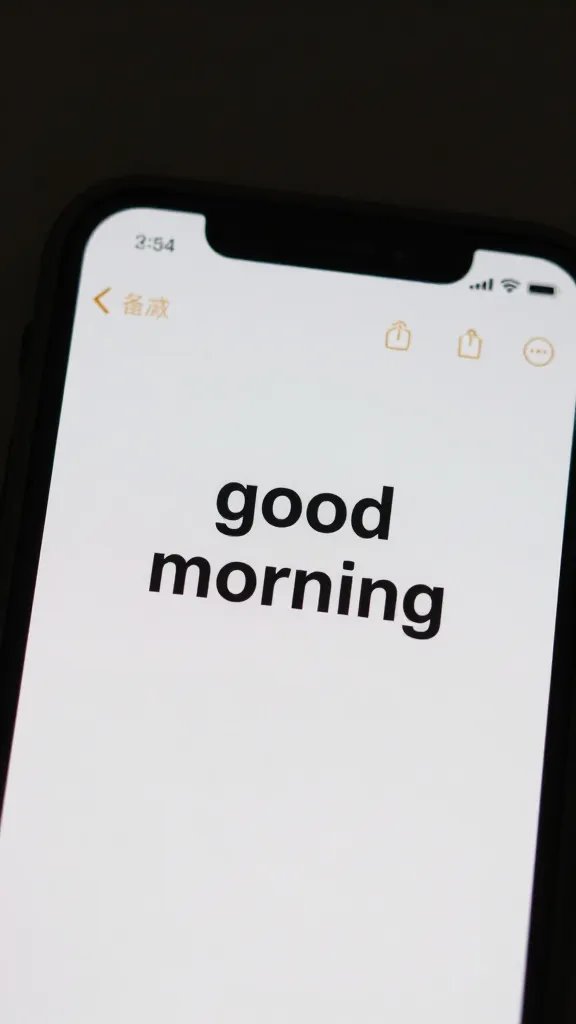
Most couples settle somewhere between a few quick check-ins and longer conversations. Here’s a practical starter plan:
Free workbook: Want a simple way to practice this? Get the free 7-Day Couples Communication Reset.
Get the Free 7-Day Reset- Morning hello: a quick “good morning” or a small note to set the tone for the day.
- Midday ping: a light, friendly check-in or a quick question related to plans or feelings.
- Evening wrap-up: share highlights, reflect on the day, and set a vibe for the next day.
This gives you predictable touchpoints without turning into a duty. And if you’re both busy, it’s totally okay to skip a slot and pick it up later.
When to text and when to pause: reading the room
Texting should feel like a conversation, not a broadcast. Use signals to decide:
- Context signals: are you in work mode or free time?
- Emotional signals: is there something urgent or just a vibe check?
- Response signals: do you both respond quickly, or do you prefer slower replies?
If your partner is drowning in meetings, give them space. If they’re streaming a movie, skip the debate and let the moment pass. The goal is to respect boundaries while staying emotionally connected.
What counts as “too much” texting—and why it happens

Overtexting often creeps in when we crave reassurance or feel a bit insecure. It’s not a moral failing; it’s a human thing. The antidote? Communicate your needs and set boundaries that don’t require a math degree to decipher.
- Identify the why: Are you seeking validation, boredom relief, or fear of missing out?
- Label the impact: Does this frequency steal time from other important things?
- Agree on a plan: Can you try a 3-5 text block window, then a break?
Remember, you aren’t obligated to respond immediately to every ping. It’s okay to say, “I’ll reply when I’m free,” and actually mean it.
Creative ways to keep things joyful without constant texting
Texting doesn’t have to be monotone. Here are some playful options to keep the spark without burning out:
- Two-liner prompts: send a tiny question or a fun fact that invites interaction.
- Question of the day: a light, recurring prompt that’s easy to answer.
- Shared moments: send a quick photo or a short voice note about something you noticed.
- Coordinated plans: use a single thread for logistics, not a flood of messages throughout the day.
These tricks give you meaningful connection without turning texting into a full-time job.
How to handle mismatched texting styles (without fighting about it)
Two humans, two texting speeds—that’s normal. Start with a conversation about style, not blame:
Need help putting this into practice? The free 7-Day Couples Communication Reset gives you simple daily prompts for calmer conversations.
Download the Free Reset- Share your rhythm: “I like a quick hello in the morning, a longer chat in the evening.”
- Listen and adapt: your partner might hate long threads but loves quick check-ins.
- Set fair expectations: agree on response windows (e.g., within 2-3 hours during the workday).
If you’re still snapping at each other, switch to a different communication mode for a while—phone calls or in-person chats can reset the tone.
Subtopic: managing anxiety without turning daytime texting into a safety blanket
If you’re prone to worry, texting can feel like a lifeline. Here’s a healthier path:
Do a quick scan before you text
Ask yourself: Am I sending this because I’m worried or because I genuinely want to share something nice? If it’s worry-driven, give it a beat or write it down and wait until you’re calmer.
Create “emergency” guidance
Agree on what warrants a text right away. For example, “urgent news about plans” or “we need help today.” Everything else can wait until a designated window.
Use “we” language
Frame messages around the relationship, not your insecurities. “Let’s decide what we do tonight” feels collaborative, not clingy.
FAQ
How many texts per day is normal for a couple?
There’s no universal number. It’s about your pattern, not a quota. Some couples text a lot; others barely touch their screens. The best approach is to align with your partner’s comfort and check in if you notice tension or disengagement.
What if one person needs constant reassurance via text?
That’s a cue to talk openly about needs. Suggest feedback-friendly boundaries and a plan: “I’ll check in mid-morning and you reply when you can.” If insecurity persists, consider deeper conversations or seeking support outside the relationship.
Should we text to fill awkward silences?
Avoid turning all silences into drama. Silence can be comfortable and natural. If you’re worried, send a light, non-demanding message like, “Hey, just thinking of you. No pressure to reply.” It signals care without pressure.
Is it okay to text during dates or in-person time?
Short, considerate texts can be fine if both parties are okay with it. If you notice your partner’s mood shift or they seem distracted, it’s a sign to pause. Prioritize presence over pings.
How can we keep daytime texting positive and fun?
Try to mix in affirmations, playful prompts, and shared media. A single compliment, a goofy meme, or a small victory note can keep the tone warm without turning texting into stress.
Conclusion
Texting should feel like a gentle thread between you, not a chorus of demands. Start with a simple rhythm, respect each other’s pace, and keep the tone light and intentional. If you both feel connected and understood, you’ve hit the sweet spot. IMO, the best rhythm is the one that makes you smile when you reach for your phone, not the one that makes you dread it.
If you’re unsure where you sit, try a two-week experiment: pick three daily touchpoints, then reassess. You’ll likely discover a cadence that feels natural, reduces anxiety, and still leaves room for surprises. FYI, you’ll probably laugh about it later when you remember how stressed you were about “the perfect texting plan.”
Ready to practice better communication?
Start with the free 7-Day Couples Communication Reset, or explore the full Couples Communication Workbook & Handbook for deeper guided exercises.