It happens to every couple sooner or later: one person wants minimalist serenity, the other dreams of wall-to-wall color and string lights. Decorating becomes a relationships test with décor as the battleground. Relax — there’s a playbook for navigating these vibes without unplugging the drip coffee maker in a fit of rage.
Meet in the middle, not in the middle of a fight
When tastes clash, the first move is to acknowledge it without turning it into a debate club. Ask: what feeling are we actually chasing here? Cozy? Bold? Calm? The goal isn’t to win the argument; it’s to design a space we both enjoy living in. Start with a quick room-by-room audit: which areas feel like “you” and which feel like “me”? Then pick one space to merge styles and one space to keep separate. Easy wins show progress and keep the peace.
Decode your decorating love languages
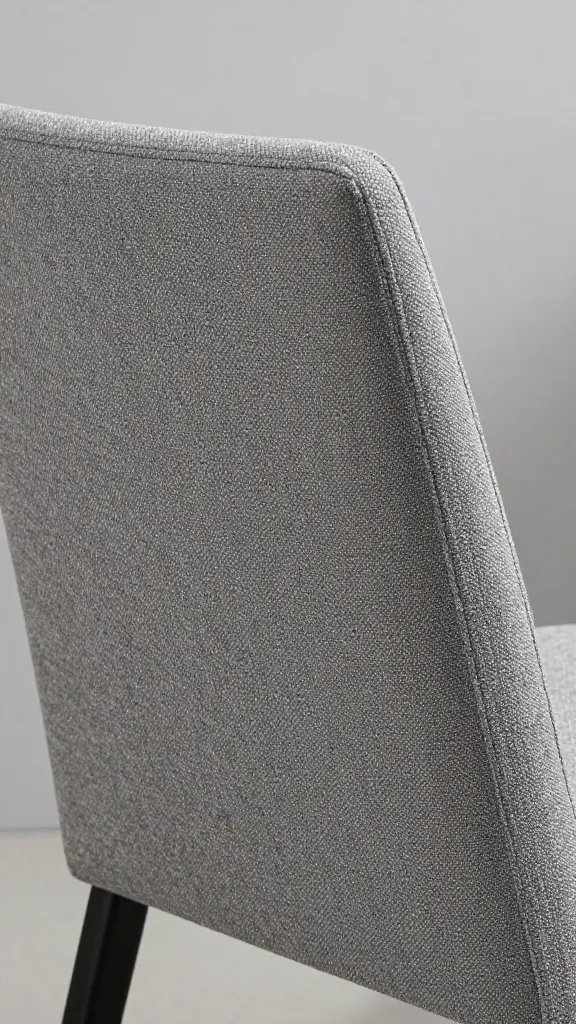
We all speak a different language when it comes to style. One partner might speak “modern-minimalist,” the other “eclectic-cozy.” The trick is translating into a shared vocabulary.
Free workbook: Want a simple way to practice this? Get the free 7-Day Couples Communication Reset.
Get the Free 7-Day ResetYour style profiles
– The Minimalist: clean lines, fewer pieces, neutral palette, functional hardware.
– The Cozy Collector: warm textures, layered fabrics, heirloom or thrifted finds.
– The Color Enthusiast: bold palettes, accent walls, statement pieces.
– The Practical Pragmatist: durability, easy maintenance, kid-friendly and pet-proof.
Share a quick two-liner about what makes your heart sing in a room. FYI, the goal isn’t to erase differences but to translate them into a space that feels like “us.”
Create a shared design brief
A design brief is your couple’s mission statement for the home. It keeps conversations focused when you start to drift.
How to build it
– Pick a vibe you both hate less. It’s a vibe, not a manifesto.
– List 3 must-haves from each side. Then prioritize them.
– Set a color or material rule to guide decisions (e.g., “no more than two bold colors in a room”).
– Decide on a budget range and a timeline. Ghosting budgets wreck everything.
This isn’t a legal contract; it’s a compass. When you’re tempted to splurge on a dream sofa, the brief reminds you to check in first.
Design rituals that keep the peace
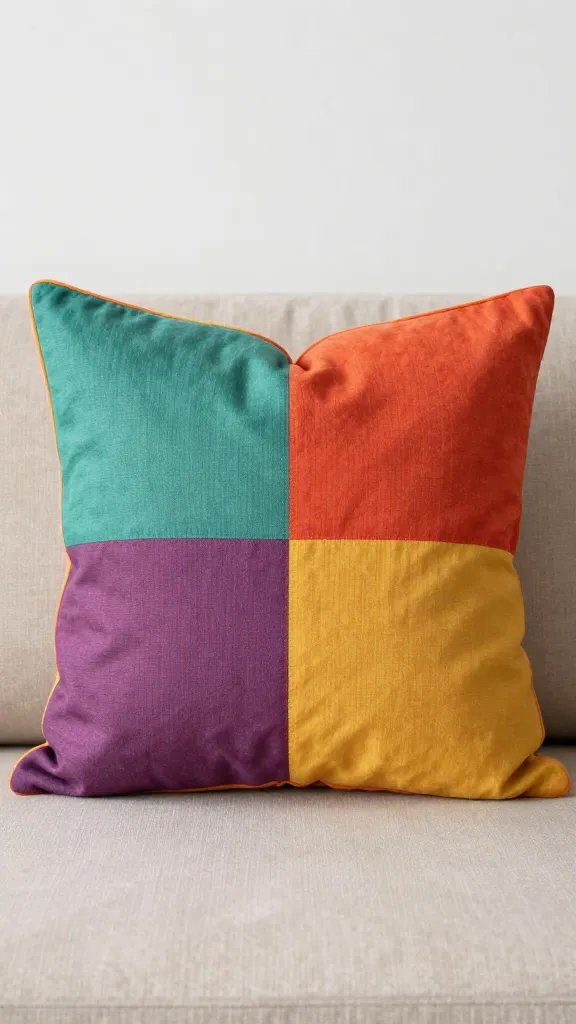
Rituals stop conversations from devolving into nitpicky fights. Try these light, repeatable habits.
- Weekly look-and-talk: 20 minutes to share what you liked and what stressed you in the last space you redesigned.
- Shop-to-plan ritual: agree on one item per month you’ll purchase together after a joint search session.
- “Fail forward” moments: if a room isn’t landing, pause and reframe it as a learning opportunity.
Rituals prevent the “the house is yours, not ours” vibe and keep both people invested. Ask yourself: would a friend walk in and feel both of our voices in the room?
Shop wisely, not anxiously
Shopping together sound delightful until you realize you’ve just bought a dozen mismatched items. The fix: a plan before place-taking.
Smart shopping steps
– Budget first, dream second. If you can’t afford it, you’ll argue about it later.
– Leave impulse items on the shelf for 24 hours. If it still feels essential, buy it together.
– Use a “one-in, one-out” rule for textiles and accessories. Keeps clutter in check and helps you both stay honest.
– Favor quality pieces with a story. A well-made rug or lamp tends to outlast three cheap ones and adds personality.
Remember, practical buys don’t have to be dull. A sturdy sofa can be comfy AND stylish, which is basically a small miracle.
Need help putting this into practice? The free 7-Day Couples Communication Reset gives you simple daily prompts for calmer conversations.
Download the Free ResetTexture and tone: the quiet diplomacy

Texture often does the heavy lifting when color wars break out. A room can feel unified even with mixed styles if you lean on tactile harmony.
Texture as the mediator
– Layer textiles: throws, cushions, and curtains in complementary textures (linen + bouclé + velvet can be friends, not frenemies).
– Vary scale: mix big, middle, and small patterns to avoid visual chaos.
– Use wood, metal, and ceramic accents to tie disparate looks together.
Think of texture as the handshake between two design languages. It’s subtle, but it smooths over jagged conversations.
Spaces that evolve with you
Couples change. Decor should, too. Avoid locking yourselves into a “forever” look that now feels tired.
Flexibility wins
– Choose modular furniture that can be rearranged easily.
– Keep a small decor budget for rotation: a couple of new pillows, a framed print, or a plant you both agree on.
– Designate a corner for experimentation. Swap out textiles or swap frames; it’s low stakes and high learning.
A home that grows with you feels less like a showroom and more like a story you’re writing together. And yes, your future selves will thank you for the breathable plan.
FAQs
What if we can’t agree on color palettes?
Color is emotional. If you can’t land on one, try a neutral base with two small pops of color you both tolerate. Build from there with accessories rather than painting every wall. You’ll create harmony without sacrificing personality.
How do we handle a partner who wants to change things too often?
Agree on a rotating design fund and a schedule for updates. For example, commit to one major refresh per year and a couple of smaller updates each season. It keeps momentum without chaos.
What should we do with mismatched styles we love separately?
Celebrate those items as “individual expressions” displayed in different zones. The living room can be more cohesive, while the study or a guest room can showcase a personal style duo.
How can we avoid buyer’s remorse when decorating as a couple?
Set soft deadlines and complete checks before buying. Sleep on it, test in the space, and visualize daily use. If it still feels right after a couple of days, you’re probably safe. If not, there’s always a return policy, FYI.
What role should furniture layout play in our compromise?
Layout is the quiet negotiator. Start with a balanced, functional plan that supports both viewpoints. If one person wants a reading nook and the other wants an open space for entertaining, design a layout that can morph. A modular or flexible arrangement often solves the most stubborn clashes.
Conclusion
Decorating as a couple is less about merging identical tastes and more about building a shared vibe you both love waking up to. Start with honest sessions, a clear brief, and rituals that keep things light. When in doubt, lean on texture, flexibility, and thoughtful shopping. So yeah, you can have a space that feels like “us” without shrinking anyone’s personality. IMO, that’s the real win. And if you’re ever in doubt, just ask: would our future selves high-five over this design choice? If yes, you’re probably onto something good.
Ready to practice better communication?
Start with the free 7-Day Couples Communication Reset, or explore the full Couples Communication Workbook & Handbook for deeper guided exercises.