From experience, the secret to a peaceful renovation is simple: talk like you mean it without turning it into a war crime. If you’ve ever argued over a paint swatch while the fridge leaks upstairs, you know what I’m talking about. Let’s fix the communication chaos and save the drama for the soap opera.
Set the stage before the saw starts buzzing
Starting off with a plan beats starting off with a shout every time. Before you swing a hammer, have a quick chat about expectations, roles, and a rough timeline. FYI, this isn’t a one-and-done talk; it’s a living document you update as you go.
– Agree on roles: who makes decisions, who checks measurements, who handles what.
– Define non-negotiables: must-have features, safety rules, and budget limits.
– Create a simple timeline: milestones, not a wedding invitation with 900 tasks.
– Decide on a daily check-in: five minutes at the end of the day can save hours later.
Speak in concrete terms, not vibes

People miscommunicate when they use fuzzy language. You want the ceiling white? Great. Do you want pure white or a warm white? Do you want the tiles to be laid left to right or right to left? Get specific, then write it down.
– Use exact measurements and finishes: “3/8 inch plywood, no-void backing, satin finish.”
– Avoid “soon,” “soonish,” or “not today” unless you want a life of delays.
– Confirm decisions in writing: a quick email or text recap works wonders.
– When in doubt, ask to see a sample in place before committing.
Free workbook: Want a simple way to practice this? Get the free 7-Day Couples Communication Reset.
Get the Free 7-Day ResetEstablish a daily rhythm that doesn’t feel like a micromanagement hell
Renovations evolve, and so should your communication. A steady rhythm keeps both sides from spiraling into epic rants about misplaced screws.
Morning huddle that actually helps
– Quick check-in: what’s happening today, who’s responsible, any roadblocks?
– Highlight one potential pitfall and plan around it.
– Leave with a clear task list, not a blob of “get things done.”
Evening recap, the friendly debrief
– What went well, what went sideways, and what to tweak tomorrow.
– Update the timeline if needed, and adjust your expectations.
– End on a positive note to keep the vibe from tipping into chaos.
How to disagree without turning it into a debate club
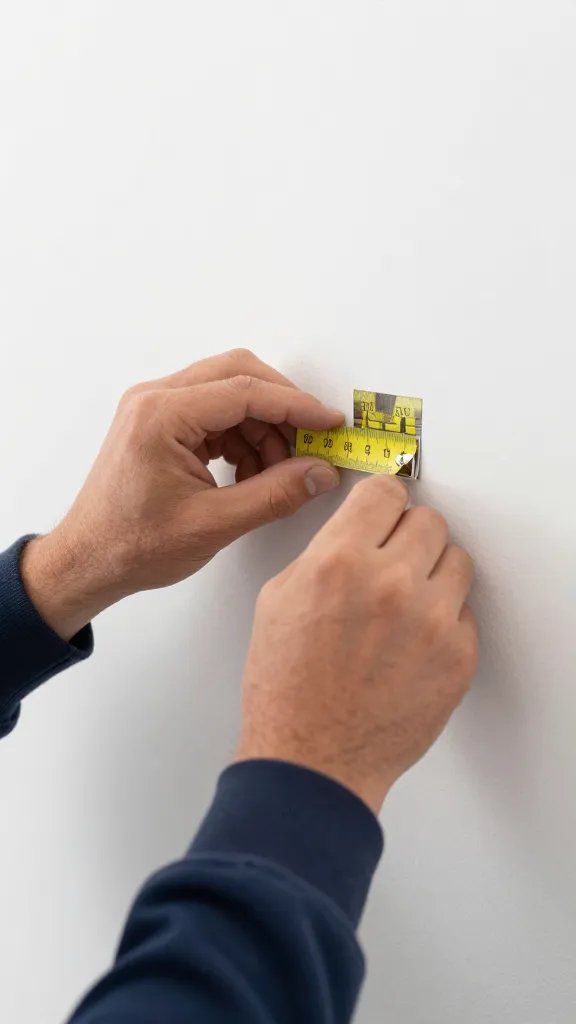
Disagreements are inevitable. The trick is to disagree differently. Think of it as a design challenge, not a personal attack.
– Use “I” statements: “I feel stressed when the timeline slips” beats “You always mess up the schedule.”
– Name the emotion, then the action: “I’m overwhelmed; can we slow down and prioritize?”
– Propose a concrete counter-solution: “If we delay the backsplash by a week, we can finish the lighting and still keep the budget.”
– Take a timeout if things heat up: stepping away for 10 minutes saves the relationship.
Make decisions together, not on autopilot
When one person makes all the calls, tension follows. Build a joint decision-making flow that feels fair and efficient.
– Create a decision tree for big choices: materials, contractors, major changes.
– Use a “two-out-of-three” rule: cost, quality, or time—pick two, live with the third.
– Keep a shared project board (physical or digital): everyone sees the same status, no surprises.
– Schedule veto rights for major risks: if something could blow the budget, it needs a second opinion.
Money talk without the drama
Money is famously unsexy until it isn’t. The key is transparency and a little humor to keep things from getting explosive.
– Publish a living budget: track actuals vs. planned, weekly updates.
– Define a contingency fund (a reality check: 10-20% is typical).
– Agree on payment milestones with contractors: don’t pay for “hope,” pay for progress.
– Have a plan for surprise costs: a small weekly fund for curveballs buys you calm.
Need help putting this into practice? The free 7-Day Couples Communication Reset gives you simple daily prompts for calmer conversations.
Download the Free ResetProtect your space and your sanity
A renovation site can feel like a battlefield if you let it. Protect your home life by setting boundaries and practical rules.
– Clear zones: living space stays relatively intact; construction zone is clearly marked.
– Daily clean-up time: a quick wipe-down and tidy up to keep the energy from stagnating.
– Noise and schedule boundaries: agree on “quiet hours” and work windows.
– Borrowed equipment etiquette: return tools to their home, not the mystery drawer.
When to call in reinforcements
Some battles aren’t yours to fight alone. Don’t be afraid to get help when the situation calls for it.
– If you’re constantly arguing about the same issue, bring in a third party: a designer, a project manager, or a mediator.
– Hire a project manager or general contractor who can translate wants into reality and keep the peace.
– Don’t ghost the process when something feels off. Trust your gut and escalate sooner rather than later.
FAQ
How can we keep conversations productive when tension is high?
Take a breath, pause the moment, and switch to a problem-solving frame. Start with what’s working, name the issue succinctly, and propose a practical fix. Avoid blame and sarcasm; you’re aiming for progress, not a public roast.
What if we disagree on budget priorities?
List top priorities, then rate them by impact and cost. If you can’t agree, table the lower-priority item and move forward with the rest. Revisit after a set period, and remember that compromises aren’t failures—they’re a path to finish.
How can we keep the project on schedule without micro-managing?
Rely on a shared calendar and milestone reminders. Let the experts handle day-to-day execution, and use weekly check-ins to catch snags early. If a delay threatens the schedule, escalate immediately with a concrete plan to recover.
What role should each person play in decision-making?
Assign roles based on strengths and interest. Have a primary decision-maker for design and a secondary for budget. Use a joint-approval system for big-ticket choices to keep both sides invested.
How do we handle unexpected defects or changes?
Document everything, get quotes, and update the budget and timeline transparently. If costs blow out, decide together whether to absorb, cut, or re-scope. Keeping humor handy helps—FYI, sarcasm isn’t the budget line item you want to rely on.
What if things still feel out of control?
Take a break, then bring in a neutral party (designer, PM, or mediator). Fresh eyes tend to spot the obvious fixes you two overlooked in the heat of the moment.
Conclusion
Renovations don’t have to turn you into an arguing duo. With clear expectations, concrete language, regular check-ins, and a dash of humor, you can keep the project moving and your relationship intact. Try framing conversations as collaborative design challenges, not battlegrounds. IMO, the payoff is a home you’re proud of and a partnership that doesn’t burn out in the first week. So grab a coffee, set the plan, and promise yourself a calmer, more connected build.
Ready to practice better communication?
Start with the free 7-Day Couples Communication Reset, or explore the full Couples Communication Workbook & Handbook for deeper guided exercises.