It’s a big decision: should you share a home office with your partner or keep separate desks and separate vibes? The short answer: it depends on how well you two argue about colors, coffee, and calendar invites. The long answer? It’s all about boundaries, respect, and a dash of humor to keep things sane.
What’s the real reason you’re even reading this?
Ask yourself: do we both work from home full-time, or is one of us freelancing while the other sticks to a 9-to-5? Do we irritate each other when we work in the same space, or do we actually vibe? If you’re hunting for a practical decision, you’re in the right place. We’ll weigh space, schedules, and personalities without turning it into a who-owns-the-diner-plate debate.
How to measure your space and your needs
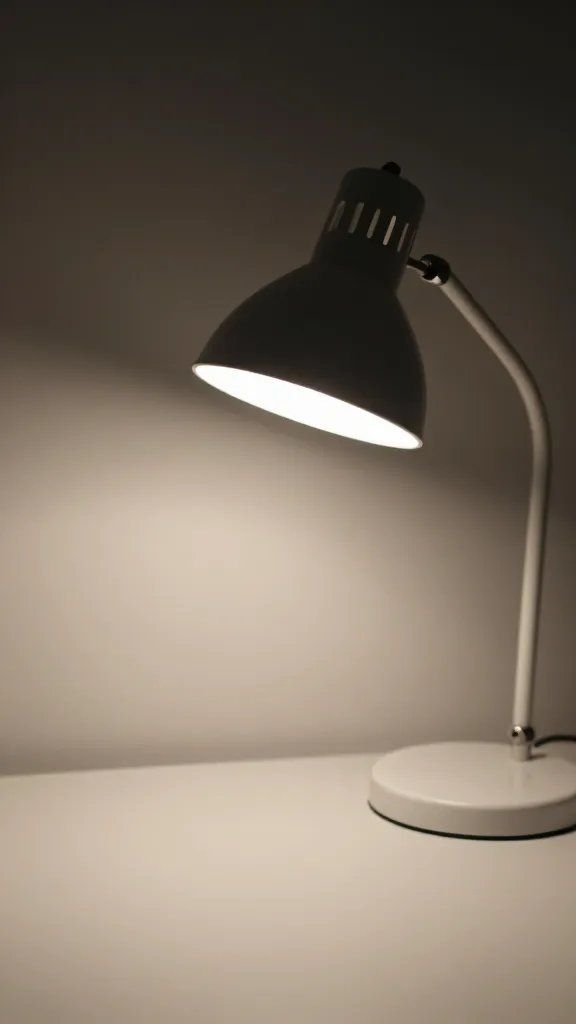
– Start with a square footage reality check: can you fit two desks, two chairs, and some elbow room without reinventing the wheel? If your home office currently doubles as a dining nook, you might want to rethink the setup.
– Consider the noise factor: do whispers and keyboard clacks bother you, or do you both talk through every thought like you’re on a podcast?
– Look at lighting and privacy: is one of you a sunrise worker who needs bright light, while the other needs dimmed, laser-focused space?
– Evaluate your ritual needs: do you both require uninterrupted blocks of time to code, write, or design? If you answer yes, you’ll want smarter divisions than “just share it and see what happens.”
Free workbook: Want a simple way to practice this? Get the free 7-Day Couples Communication Reset.
Get the Free 7-Day ResetTwo setups, two vibes: shared desk or split zones
Shared desk: pros and pitfalls
– Pros: you save space, you can coordinate schedules like synchronized swimmers, and you get to high-five each other between projects.
– Cons: you’ll collide over minor things—file organization, who moved the stapler, or who logged off first. And yes, there will be mornings when someone forgets to mute a video call and makes it a shared soundtrack.
Split zones: how to pull it off
– Create distinct zones: a “communication hub” area with a shared printer and charger, and a “focus corner” for deep work.
– Use physical cues: different color accents, different chairs, or even different desk heights to signal who’s on a task and who’s on a chat spree.
– Establish mini-rules: who uses the whiteboard at what time, and where do you stash headphones to keep the peace?
Boundaries that actually stick

– Schedule is king: coordinate your calendars, block out deep-work times, and respect each other’s sacred slots. If you’re both glued to your laptops at 2 p.m., you’ll end up trading passive-aggressive notes instead of productivity.
– Noise etiquette: agree on acceptable background noise. Maybe one person loves ambient coffee-shop vibes while the other needs absolute quiet for a tricky task.
– Personal space: designate personal shelves or a bins-and-drawers system. It’s amazing how a tiny inanimate object can deflate a tiny argument.
Communication as your secret weapon
– Have quick daily stand-ups: 5 minutes to outline what you’re tackling that day, what you need from each other, and any deadlines. It’s much less dramatic than texting you about “the thing” for 12 hours straight.
– Use “I” statements: “I feel overwhelmed when the calendar gets crowded” works better than “You’re invading my space.”
– FYI: keep a shared note or app for announcements. That way you don’t have to rehash the same thing every hour.
Tech, furniture, and ergonomics: practical tweaks

- Ergonomics first: two good desks, two chairs, proper monitor height. Your backs will thank you in the long run.
- Cable chaos control: label cords, use cable trays, and consider wireless options where possible. Less trip hazards = less drama.
- Tech boundaries: one router, two separate VPNs or accounts? Decide how you’ll handle logins to avoid accidental data crossovers.
- Storage strategy: vertical shelves, filing cabinets, and labeled drawers keep things from becoming emotional baggage.
How to test-drive the arrangement before permanently committing
– Do a two-week trial: alternate who uses the shared space and who works in a separate nook. Track productivity, mood, and any friction points.
– Sleep test: waking up in the same space to begin the day can feel cozy or claustrophobic. Notice how you two feel each morning after the first week.
– End-of-day review: at the end of the trial, discuss what worked, what didn’t, and what you’d change. If the verdict is “still undecided,” you might need to tweak the setup or try a hybrid approach for a while longer.
Need help putting this into practice? The free 7-Day Couples Communication Reset gives you simple daily prompts for calmer conversations.
Download the Free ResetDealing with the biggies that always pop up
– Clashing schedules: if one of you is a night owl and the other is a morning person, consider a staggered schedule. You’ll miss each other less and possibly get more done.
– Invaders of the space: who holds the line on the shared calendar when the other person’s meeting runs long? Establish a quick “I’m tied up” signal and a plan for coverage.
– Personal habits: how do you handle weekend collaborations or late-night brainstorms without waking the other? A noise-friendly plan or a separate workspace can save you from resentment.
What if it just isn’t working?
If the shared space keeps causing stress, don’t force it. Rework the plan into a true split: one person’s office for deep focus, the other’s for lighter tasks or a dedicated “make-it-yours” creative corner. You can still share a home if you carve out clear lines. The goal isn’t to win “most productive couple” medals; it’s to keep your relationship intact and your work flowing.
FAQ
Is it better for couples to share a single workspace or have separate areas?
Sharing a workspace can feel cozy and efficient at first, but it increases the chance of daily frictions. Separate areas reduce drama and can actually boost both of your individual focus. Start with a hybrid: two zones in the same room, then adjust from there.
How do we handle calendar conflicts and meeting overlaps?
Lock down a simple system: one calendar for work schedules, one for personal life, and a weekly quick sync to align on upcoming meetings. Use color codes and quick status updates to avoid long back-and-forths.
What are the telltale signs we should split permanently?
If you consistently feel irritated by the other person’s presence, if your productivity takes a nosedive when you work side-by-side, or if you can’t stop stepping on each other’s workflow, it’s a strong indicator to split zones or desks.
How can we make the space feel like “us” rather than a boring office?
Inject personality: add color, plants, favorite desk accessories, and a shared music playlist for work hours. A few personal touches keep the space from feeling sterile and help you both feel at home.
Any quick tips for staying sane during tough days?
Take short breaks together—walk the dog, grab a coffee, do a quick stretch. Use a “pause and reset” signal for when things get heated. And yes, FYI, humor works wonders more often than you’d expect.
Conclusion
So, should you share a home office as a couple? It depends on your space, your routines, and your nerves about collaboration. If you plan, set boundaries, and keep communication as the backbone of your setup, you’ll probably land somewhere that feels cooperative rather than combative. And if you mess up (which you absolutely will), pivot—don’t punish. The point is to create a working rhythm that supports both of you, not just the loudest voice in the room. IMO, a thoughtfully designed shared space can be a surprisingly delightful kind of teamwork.
Ready to practice better communication?
Start with the free 7-Day Couples Communication Reset, or explore the full Couples Communication Workbook & Handbook for deeper guided exercises.