If you’re talking to your partner and they’re staring at their phone, is it a conversation or a performance of a one-sided monologue? It’s frustrating, plain and simple. Let’s cut to the chase: multitasking during conversations wrecks connection, trust, and vibe. You deserve a real seat at the table, not a seat next to a screen.
Why multitasking in conversations feels worse than a bad Wi‑Fi signal
– When someone checks out mid-sentence, your brain does two jobs at once: try to stay coherent and try not to read their mind. No wonder you feel ignored.
– It isn’t just rude; it’s signaling that you’re not a priority. And that stings more than a skipped text back.
– FYI, brain science agrees: task-switching drains energy and lowers empathy. So even if they think they’re “just multitasking,” they’re actually shrinking the connection you two share.
Call it what it is: a symptom, not a solution

You don’t need to win an argument about etiquette. You want to fix the pattern.
Free workbook: Want a simple way to practice this? Get the free 7-Day Couples Communication Reset.
Get the Free 7-Day ResetUnderstand the triggers
– Busy brain, big to-do list, or a habit they’ve fallen into.
– External cues like notifications, messages, or a TV show in the background.
– Sometimes they multitask to avoid discomfort—awkward silences are real, friends.
Identify the impact on you
– You feel unseen, undervalued, and a little petty, which is fair.
– You start overthinking: is the relationship the problem or the scrolling habit?
– The fear isn’t just about right now—it’s about future conversations piling up.
Approach: set the vibe without turning it into a lecture
Conversations work best when both people feel seen. Here’s how to reset the tone.
Choose a calm moment
– Bring it up when you’re not mid-controversy. Pro tip: snacks help.
– Use “I” statements to own your feelings without blaming: “I feel unseen when my sentences get cut off by notifications.”
Make it a joint goal
– Frame it as teamwork: “Let’s try to improve our talks for a week and see how it goes.”
– Create a simple rule you both can agree on: one device off, one device face down, during focused chats.
Offer a counterbalance
– Suggest a ritual: a 10-minute chat after dinner with no screens.
– If the topic is heavy, propose a structured talk: one speaker, three minute limit, then swap.
Practical tools that actually help (without turning you into a nag)
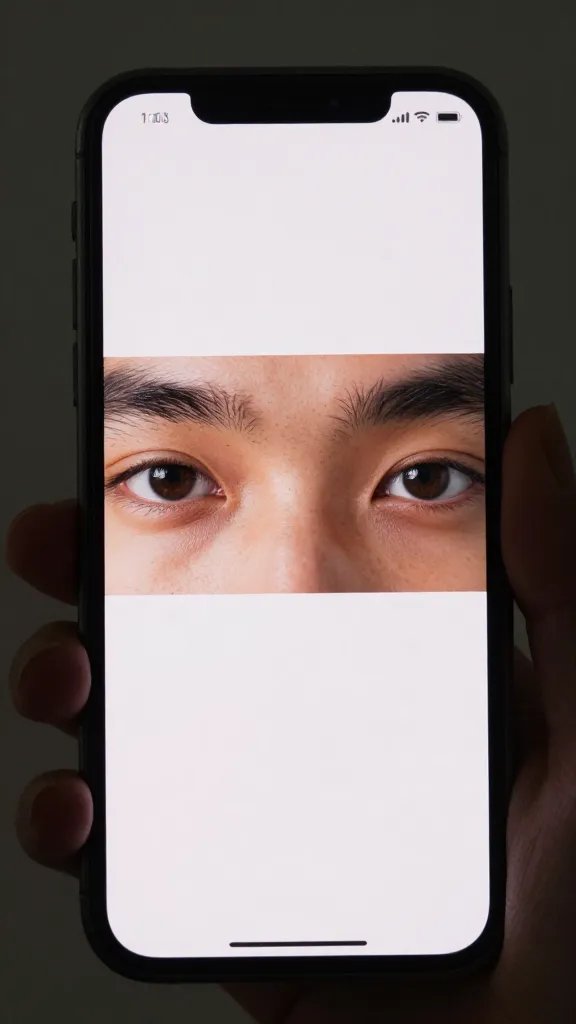
Sometimes small tweaks beat big lectures.
Set non-negotiables for certain moments
– Dinner time stays device-free. If a notification glows, you both pause and handle it after the talk.
– For important talks, physically put devices away or in another room. Out of sight, out of mind—at least for the next 20 minutes.
Use cues that reset attention
– Implement a “pause cue.” If one person starts multitasking, the other can say, “Pause the scroll, we’re talking.”
– Agree on a non-verbal cue: a hand raise or a gentle elbow nudge to say, “Hey, pay attention.”
Turn multitasking into a shared activity, not a pitfall
– If a topic requires notes, chase a shared document or notebook instead of talking while doom-scrolling.
– Make the conversation a mini-task: plan a date night, split the planning tasks, then recap together.
Need help putting this into practice? The free 7-Day Couples Communication Reset gives you simple daily prompts for calmer conversations.
Download the Free ResetWhen it’s not just a habit but a bigger pattern
If ignoring your words happens a lot, it’s time to level up.
Set boundaries with love
– Be direct but kind: “If we’re going to talk about something important, I need your full attention for this 15 minutes.”
– If they still drift, you can pause: “I want to talk, but I’m not getting your attention right now. Let’s revisit in 20 minutes.”
Evaluate the relationship dynamics
– Are you both missing quality time overall? Maybe the problem is broader than conversations.
– Seek balance: one week vertical focus on connection, the next week free-for-all social time with friends.
How to handle pushback without blowing up the moment

Pushback happens. Here’s how to stay in control of the moment.
Stay curious, not furious
– Ask open-ended questions about why they multitask: “What’s pulling you away during talks?”
– Listen for underlying needs—perhaps they crave efficiency, reassurance, or a sense of control.
Reframe the conversation as collaboration
– Use phrases like, “Let’s both try to improve this for us.”
– Celebrate small wins: “Nice job focusing last night. It made the talk way more productive.”
Use humor without sarcasm
– A light joke can defuse tension: “If you want to multitask, can you multitask your sense of time and remember that this is a two-person chat?”
– Humor should be friendly, not eye-roll inducing.
FAQ
Is multitasking during conversations a deal-breaker?
Not automatically. It’s a sign something’s off, but you can work through it with clear boundaries and consistent practice. If the pattern persists despite your best efforts, you might reassess the effort you’re putting into the relationship.
How long should we try this before deciding it’s hopeless?
Give it a couple of weeks of consistent effort, with honest feedback. If you still feel unseen after that, consider talking to a counselor together. IMO progress is usually visible within a few weeks when both sides show up.
What if my partner feels attacked by my request?
Lead with empathy: acknowledge their effort to listen, then share your needs gently. Name the behavior, not the person: “I get distracted when notifications pop up; I’d love to try a no-phone rule for 15 minutes.”
Can technology actually help us talk better?
Yes, in small ways. Shared notes, scheduled “deep talk” times, or a texting check-in after a talk to capture thoughts can prevent the feeling of being dismissed while still respecting pace and privacy.
What if they’re multitasking because they’re anxious or overwhelmed?
That’s real. Approach with compassion, not accusation. Offer to pause and revisit later, or propose short, highly focused conversations to reduce anxiety. If anxiety dominates, consider addressing it with professional support.
Conclusion
You deserve to be heard without a side quest for attention. The fix isn’t a magic trick; it’s a tiny shift in how you both show up for each other. Set clear boundaries, keep the vibes light, and turn talks into a team project rather than a solo sprint. With patience, humor, and a little habit-building, you can reclaim those conversations and deepen your connection. IMO, you’ll both walk away feeling closer—even if you still occasionally sneak a peek at your notifications.
Ready to practice better communication?
Start with the free 7-Day Couples Communication Reset, or explore the full Couples Communication Workbook & Handbook for deeper guided exercises.