The moment you realize your trash can is fighting with your partner’s trash habits is the moment you know you’re in a relationship worth navigating—not avoiding. Cleanliness standards clash happen all the time, and they don’t have to blow up your love life. Let’s talk through practical, doable ways to handle the gap with less drama and more connection.
Start with honesty, not judgment
If you’re stumbling into a clash, the first move is simple: be honest about what bugs you and why. Do you hate piles of laundry because you dislike chaos, or because you crave a sense that life is under control? Your reasons matter, and so do theirs.
– Avoid calling names or labeling your partner as “sloppy.” That starts a war, not a discussion.
– Share specific examples and avoid vague accusations. “The kitchen counter bugs me when it’s sticky in the morning” beats “You never clean.”
– Listen with curiosity. FYI, you’ll learn more by asking questions than by issuing lectures.
Identify your non-negotiables and theirs
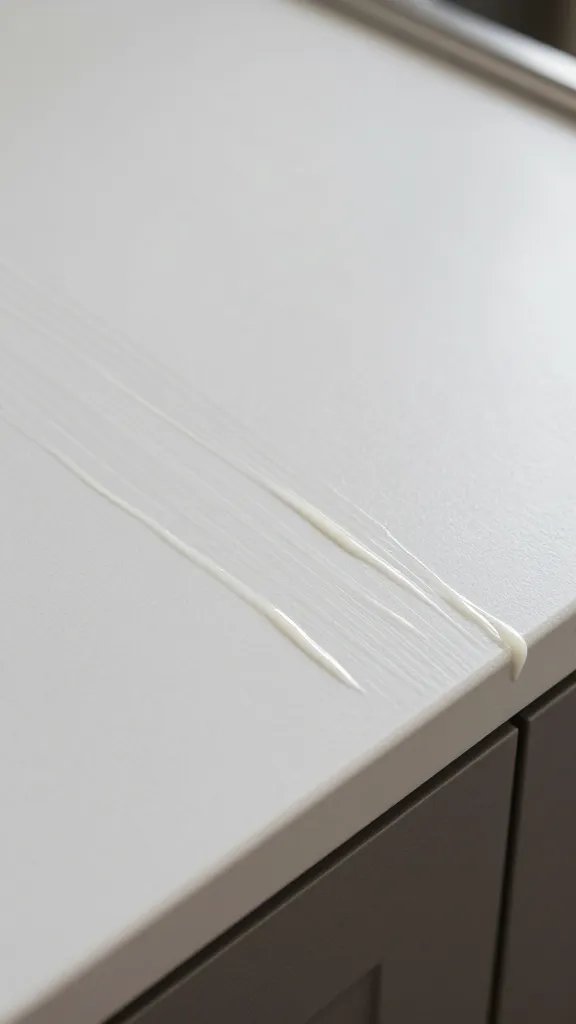
Cleanliness isn’t one-size-fits-all. Some people need pristine spaces; others tolerate a little chaos if the vibe stays warm. Pin down the real deal-breakers so you don’t waste energy on tiny battles.
– Make a short list for both of you: what absolutely must be clean daily, what’s okay if it’s a bit messy, and what’s negotiable.
– Look for overlap. If you both care about a clean kitchen, you’ve already won half the battle.
– Decide on a few fixed tasks that get done every week, and a few flexible ones.
Free workbook: Want a simple way to practice this? Get the free 7-Day Couples Communication Reset.
Get the Free 7-Day ResetSet practical boundaries with real-life routines
Rules don’t have to feel punitive. They can be routines that keep your shared space comfy.
– Create a simple cleaning schedule that respects both rhythms. Morning person? Night owl? Match tasks to energy levels.
– Use clear roles. One person handles dishes, the other handles laundry, and you switch weekly so it doesn’t get stale.
– Build in reminders that are kind, not nagging. Gentle nudges beat passive-aggressive sighs any day.
Turn chores into a team sport
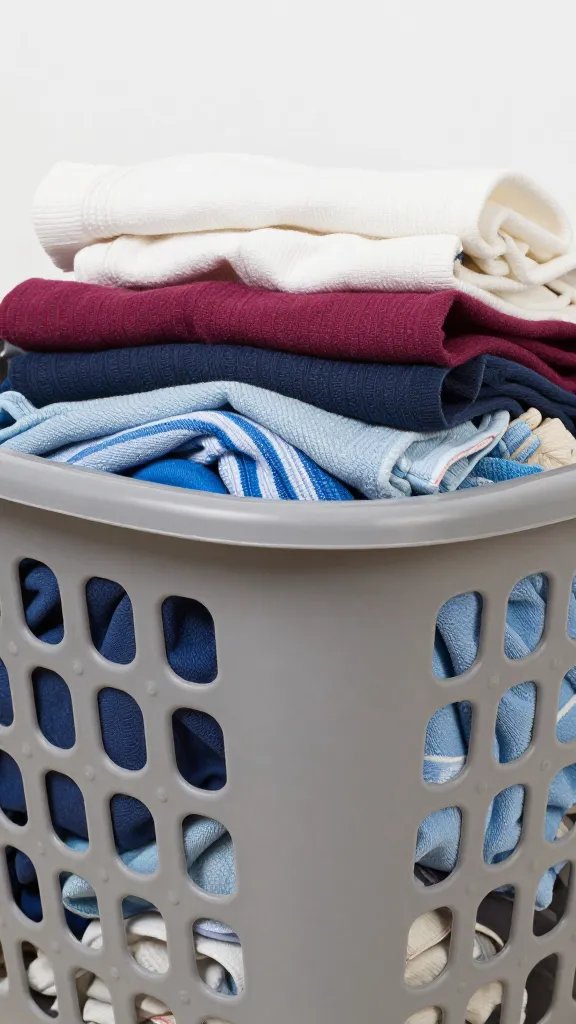
When you tackle cleanliness together, you turn a potential point of tension into a bonding activity.
– Make it a 15-minute sprint: grab your playlist, set a timer, and knock out a list.
– Celebrate small wins. A quick “nice job” or a playful high-five can reset the mood.
– Use humor to diffuse tension. “If the sponge had feelings, it would request a vacation after today.”
Communicate expectations without micromanaging
Clear communication beats silent resentment. Ask for what you need, and offer the same in return.
– Use “I” statements: “I feel overwhelmed when the counters are sticky, and it makes me anxious about the day ahead.”
– Offer choices rather than ultimatums: “Do you want to switch laundry days or share the load more evenly?”
– Check in regularly. A quick weekly check-in prevents a slow simmer from turning into a full boil.
Dealing with persistent differences: when compromise is hard

Not every clash will vanish after a single conversation. Some issues need more finesse.
– Pick your battles. Is this actually a dealbreaker, or something you’re reacting to in the moment?
– Try a two-week trial for a new system. If it sticks, great; if not, renegotiate calmly.
– Consider professional help if needed. A neutral third party can offer fresh perspectives and practical tools.
Subsection: cleaning standards that overlap—quick models you can borrow
If you’re not sure where to begin, here are a few practical models people actually use.
Minimalist zen approach
– Focus on essential surfaces: kitchen counters, eating spaces, and floors.
– Quick daily 5-minute wipe-downs keep things sane.
– Rotate a few pantries or storage areas to reduce visual clutter.
Need help putting this into practice? The free 7-Day Couples Communication Reset gives you simple daily prompts for calmer conversations.
Download the Free ResetCozy-functional approach
– Emphasize comfort: a tidy space that feels inviting without perfection.
– Establish “park-and-go” zones: a place to put keys, mail, and bags so surfaces stay clear.
– Use gentle routines: a recurring ritual like “tidy before bed” to end the day.
High-standards-but-realistic approach
– Pick a handful of non-negotiables you both care about deeply.
– Create a visible checklist so both know what’s done.
– Schedule deeper cleanses (monthly or quarterly) to keep the big tasks from piling up.
Practical tools to keep it light
A few simple aids can save you from repeating the same fights.
– Checklists that live in a shared app or on the fridge.
– Visual cues: color-coded cloths or labeled bins so tasks are obvious.
– Timers and playlists to keep momentum; fast wins feel rewarding.
– A “reset” phrase you both agree on when things get heated.
FAQ
What if we both hate cleaning, but we want a clean home?
Start with the simplest tasks that yield big results and build from there. Set tiny daily goals, like a 5-minute wipe-down after meals. Celebrate progress, not perfection. If you both dread it, consider rotating responsibilities so neither feels overwhelmed.
What if one partner absolutely refuses to change their habits?
Respect matters, but so does your peace. Have a calm, non-punitive conversation about how their behavior affects you. If resistance persists, renegotiate boundaries or seek third-party help. You deserve a livable space and a partner who respects your needs.
How do we handle different standards with guests or family around?
Agree on a surface-level standard for guests. It might be “we tidy the main living areas and bathroom” when someone is visiting. Communicate this plan to guests casually if needed, so expectations stay realistic and stress-free.
Is it okay to hire outside help for cleaning?
Absolutely. If budget allows, a cleaning service can relieve the pressure and give you time to focus on each other. It’s a smart investment when your schedules clash or when one person’s standards are significantly higher.
How do I keep the fun in the relationship while fixing cleanliness issues?
Humor helps a lot. Turn cleaning into a date night activity with music, snacks, and light-hearted bets. Remember: you’re building a life together, not hosting a cleanliness competition. Keep the vibe warm and human.
Conclusion
Cleanliness standards don’t have to pull you apart. They can be a chance to grow closer by learning how to argue well, set boundaries, and design routines that feel fair. Start with honest talk, map out non-negotiables, and build practical systems you actually enjoy using. When you both show up with patience and a dash of humor, even the most stubborn differences can become a shared win. So, grab a cloth, cue your favorite playlist, and turn “getting clean” into a tiny, doable act of care for each other. You’ve got this.
Ready to practice better communication?
Start with the free 7-Day Couples Communication Reset, or explore the full Couples Communication Workbook & Handbook for deeper guided exercises.