I know the struggle: you love the memories, but the clutter is crowding your doorway. Keepsakes can be both a joy and a burden, and balancing other people’s expectations with your own can feel like diagnosing a family mystery. Let’s figure out how to honor the memories without turning your living room into a museum.
Set the ground rules early: whose keepsakes matter most?
– Clarify expectations with the people who matter most, not just yourself. Do your kids want every school project? Will your partner crave a minimalist living room or a rotating display?
– Decide what “enough” looks like. Is a single tote for sentimental items enough, or do you want a personal shelf for photos and mementos?
– Agree on a shared baseline. You can still keep special items, but set boundaries so everyone isn’t secretly smuggling boxes into the attic.
Different people, different sentiments: navigating family expectations
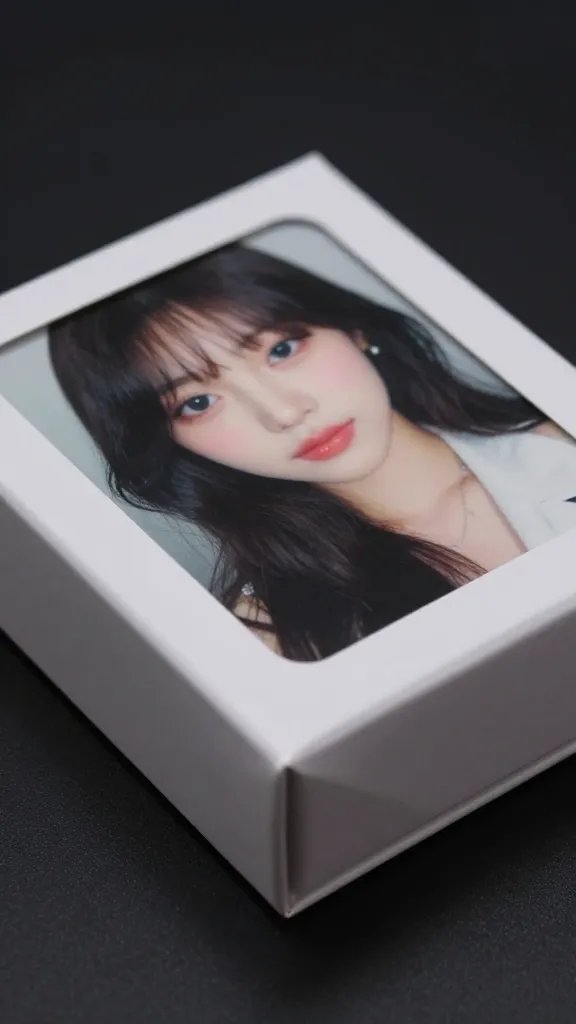
– Family members often project their own memories onto what should stay. Some see a keepsake as a portal to the past; others see it as clutter blocking the room.
– Start with a listening round. Ask: “Which items spark the strongest memories for you?” Then label items accordingly.
– Use a rotating display as a compromise. A small public shelf, plus a personal box, lets multiple people feel seen without exploding the house.
Free workbook: Want a simple way to practice this? Get the free 7-Day Couples Communication Reset.
Get the Free 7-Day ResetPractical steps to tame the keepsake chaos
- Inventory first: take stock of what you actually have. A quick scan beats “I know there’s a box somewhere.”
- Category and condense: photos, letters, school mementos, gifts, and oversized items each get a plan.
- Limit by space: assign a fixed amount of space for keepsakes (a bin, a shelf, a drawer). If it doesn’t fit, it’s time to edit.
- Digital backups: scan or photograph items to preserve the memory without the physical bulk. FYI, digital storage can still feel heavy—tag and organize.
- Smart rotation: swap items out every few months so the display evolves without becoming a vault.
How to choose what makes the cut
– Choose items that spark a strong, specific memory rather than “maybe someday.” If you can’t recall the story, the item might be a candidate for sharing a story rather than keeping a physical object.
– Favor quality over quantity. One meaningful piece often beats ten generic items.
– Tie items to people or places you actually revisit. If you never look at an item, it’s probably not doing you any favors.
Creative ways to honor memories without drowning in stuff
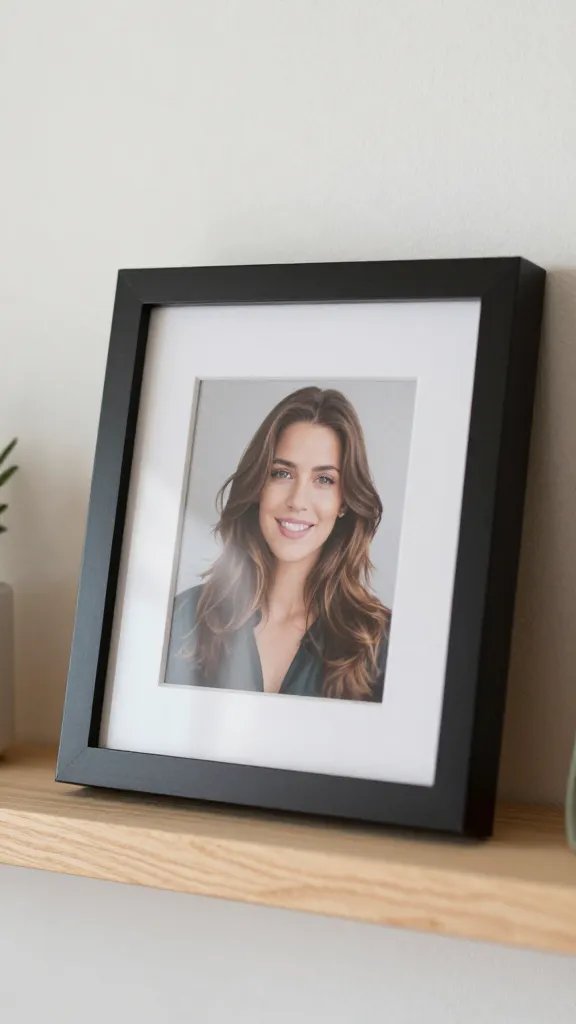
- Mini memory wall: a few frames with rotating photos keeps the wall fresh and reduces bulk.
- Memory box with intention: one box per year or per project, labeled and sealed until you’re ready to review.
- Story collection: keep a notebook or digital doc of the stories attached to items. You’ll thank yourself later when you want to relive the moment.
- Functional keepsakes: transform clutter into useful items (e.g., a quilt from old clothes, a lamp with a vintage photograph’s silhouette).
Rotating displays: how to do it without guilt
– Set a timeline: rotate every 3–6 months. You get a fresh look, and the memories stay intact.
– Photo-led rotation: frame a few favorite photos and swap them regularly. It’s like a tiny, tasteful time machine.
– Involve the others: invite family to pick what goes up next. It builds shared ownership and reduces tension.
Digital nostalgia: when to go all-in online
- Scan the important stuff: photos, letters, kid art—these digital copies save space and last longer than a brittle photo album.
- Organize with tags: year, event, people. It makes future reminiscing a breeze instead of a scavenger hunt.
- Backup, backup, backup: use cloud storage or a reliable external drive. Exactly how paranoid you want to be is up to you, but redundancy helps.
What to do with physical items you still love but can’t keep
– Consider gifting: pass items to family members who will appreciate them, or donate to a local museum, school, or charity that values the item.
– Preserve the memory in another form: take a photo and recycle the object, or create a digital collage of multiple items to keep the memory alive without the clutter.
– Create a memory ritual: decide on a goodbye process. You’ll feel lighter already.
Compromise strategies for couples and roommates
– Create a shared “memory budget”: a fixed amount of space and a fixed number of items. When something new comes in, something old goes out.
– Establish a “one-in, one-out” rule for new memorabilia. It prevents piles from building up.
– Schedule memory audits: a quarterly check-in to discuss what’s working, what isn’t, and what story you want to tell next.
Need help putting this into practice? The free 7-Day Couples Communication Reset gives you simple daily prompts for calmer conversations.
Download the Free ResetCommunication tips that actually work
– Use “I” statements and concrete examples: “I feel overwhelmed when the living room is cluttered with boxes.”
– Focus on the story, not the object: “The memory of your dad’s handwriting matters to me,” not “Keep every piece of paper.”
– Offer choices: “We can keep this in the memory box, or we can photograph it and let it go.”
FAQ
Is it okay to throw away things with sentimental value?
Yes, if they no longer spark a clear memory or meaningful story. The goal is to honor memories without letting items own your space. If you’re unsure, take a photo first, then decide later while you revisit the memory.
How do I handle pressure from relatives who want everything kept?
Set boundaries kindly but firmly. Explain your plan and invite them to participate in a shared system, like a memory box or rotating display. If they resist, offer to preserve the story in a photo album or digital file instead of the physical object.
What about kids’ keepsakes? They’re growing so fast!
Let kids contribute to the process. Declutter together by choice, not by mandate. Create a kid-friendly memory box and let them decide what stays for a year. It teaches value without guilt and becomes a learning moment about owning space.
How can I keep memories without feeling overwhelmed?
Start small. Pick one category (photos, letters, art) and implement a simple system: three display spots, one memory box, and a digital archive. Small wins compound into lasting changes, and you’ll feel lighter almost immediately.
Do digital copies really replace physical keepsakes?
They can be a powerful substitute, especially for space-savers. They don’t replace the tactile joy of holding something, but they keep the memory accessible without clutter. Use both for best results—photos and notes stored digitally, with a few carefully chosen physical items on display.
Conclusion
If you’re feeling torn between cherishing the past and living in the present, you’re not alone. The trick isn’t choosing one over the other; it’s building a system that respects memories while honoring your space and energy. Start with small edits, invite others into the process, and lean on digital backups to protect the stories that matter. IMO, a well-curated keepsake setup is less about preserving every object and more about preserving the moments and meaning behind them. You got this.
Ready to practice better communication?
Start with the free 7-Day Couples Communication Reset, or explore the full Couples Communication Workbook & Handbook for deeper guided exercises.