The days of everyone refreshing their notifications at exactly the same speed are over. Texting rhythms vary more than coffee orders at a cafe. Some people live in the instant-message fast lane; others treat the phone like a library book you forgot to return. If you’ve ever felt torn between “do they want a quick reply or a long debate?” you’re not alone. Let’s tackle the whole spectrum with practical moves and a little humor.
Set expectations without turning it into a debate club
We don’t need a manifesto to handle different texting speeds. Start by naming the vibe you’re going for, not the drama you’re avoiding. Curious to know: does your friend need a quick ping, or are you both cool with longer back-and-forths? A quick, friendly check-in can erase confusion faster than a dozen emojis. FYI, clarity saves relationships, not to mention battery life.
Figure out your own texting tempo

If you don’t know your own speed, you’ll assume the worst in others. Do a little self-audit:
Free workbook: Want a simple way to practice this? Get the free 7-Day Couples Communication Reset.
Get the Free 7-Day Reset- How often do you reply during a day?
- What kind of messages push you to respond right away?
- What signals indicate you’re just not in the mood to chat?
Once you know your tempo, you can articulate it. Saying something like, “I’m usually slow with group chats, but I’ll chime in when it’s important,” buys you mercy and reduces false assumptions. And yes, you can still be polite while setting boundaries. IMO, boundaries are love language for modern communication.
Match style, not speed—without losing your charm
People text in different flavors: some like concise replies; others share long voice notes and dramatic GIFs. You don’t have to imitate everyone, but you can adapt a little without losing yourself.
Tips for different styles
- <strongConcise folks appreciate quick bullets. Try: “Sounds good. Let’s do it. I’ll update you later.”
- <strongDetail-oriented folks want context. Add a sentence or two of why you’re saying yes/no, plus next steps.
- <strongAnimated folks love visuals. Use a quick emoji or a relevant GIF to keep the vibe friendly.
Ask a quick question at the end of your message to invite a reply. Questions = engagement magic. If you’re worried about bothering someone, remember: most people want to feel seen, not ignored.
Use “availability signals” instead of status updates
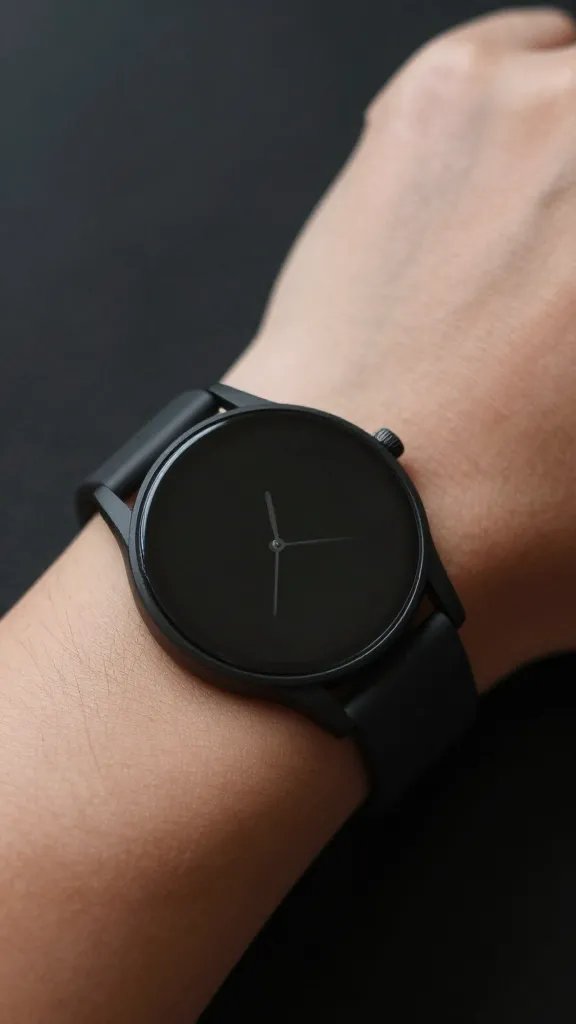
People often read “I’m free later” as “I’ll respond in three hours.” The problem? That misalignment creates friction. Flip the script with tangible signals:
- Set windows: “I’m around 3–5 PM today.”
- Offer options: “Which works: 2 PM or 6 PM?”
- Commit to a time: “I’ll get back to you by 6 PM.”
This approach reduces guessing games and keeps conversations moving. It’s not about micromanaging your life; it’s about giving others a clear map.
When you need more space—how to say it nicely
Not every message deserves a rapid-fire response. Here’s how to handle it gracefully:
- Lead with honesty: “I’m in a place where I’m not great with constant texting.”
- Offer an alternative: “If it’s urgent, call me or text me three times to flag it.”
- Suggest boundaries: “I typically reply at lunch and after work.”
If you’re dealing with someone pushy, keep it light but firm. A gentle, “Hey, I’m trying to limit my screen time, so I might reply slowly. Thanks for understanding!” goes a long way. FYI, most people actually respect clarity more than you think.
How to handle inconsistent expectations in groups

Group chats are the wild west of texting. People jump in and out, opinions collide, and misread tone happens faster than you can type. Here are tactics that actually work:
Group etiquette that sticks
- Pin the purpose: a quick message at the top stating the goal of the chat.
- Agree on response windows: “We’ll decide within 24 hours.”
- Use threads or mentions to flag important topics instead of blasting the whole chat.
How to avoid the doomscroll
Set expectations upfront and revisit when needed. If the convo spirals, pause with a humor-laced message like, “We’ve entered ‘TL;DR’ territory—let’s pause and regroup.” It’s surprisingly effective at breaking the loop.
Need help putting this into practice? The free 7-Day Couples Communication Reset gives you simple daily prompts for calmer conversations.
Download the Free ResetTech tricks that help, not hinder
Sometimes the problem isn’t the people, it’s the platform. Here are practical tweaks you can implement today.
- Mute wisely: Mute a chat for a few hours, not forever. You’ll return fresher and less reactive.
- Use status indicators: Leverage “Do Not Disturb” or your phone’s status messages to signal you’re not available.
- Voice notes with intention: If you’re replying to a long thread, a concise voice note can convey tone more than text.
- Schedule messages where possible: Some apps let you queue messages for a later send. Use it for non-urgent updates.
But don’t become enslaved to features. Tools should serve you, not the other way around. If it starts feeling like a homework assignment, step back and reset.
Navigating tricky situations without drama
Some scenarios demand a bit more finesse. Here are quick playbooks for common knots.
Friend who replies instantly to everything
Laugh it off, then set a boundary: “I love your responsiveness, but I’ll miss your messages if I’m not near my phone. Can we do a 24-hour rule for non-urgent stuff?” They might grumble, they’ll adapt.
Professional contact who expects instant replies
Keep it polite and explicit: “I prioritize urgent messages right away, but non-urgent items I’ll respond to within 24 hours.” This sets a professional tone while preserving humanity.
Someone who reads receipts as a dare
If someone plays the “seen” game, acknowledge briefly and move on: “Got your message. I’ll respond with details soon.” You’re not obligated to entertain every jab about response times.
FAQ
Q: What should I do if I’m worried about hurting someone’s feelings by not replying fast enough?
Reply honestly and kindly. A quick note like, “I value our chats, I just can’t respond quickly today. I’ll get back to you later,” usually eases nerves. Most people care more about consistency than speed.
Q: How do I bring up texting expectations with a new friend or partner?
Bring it up early and light: “How often do you want to text? I’m good with real-time for important stuff and slower for the rest.” It sets a collaborative tone without accusing anyone.
Q: Is it okay to ignore a message if I’m busy?
It’s okay to ignore in the sense of not replying immediately, but don’t ghost. A quick “I’m tied up right now—will reply later” goes a long way in preserving trust.
Q: How can I reduce anxiety around texting in general?
Set clear personal rules, like “I’ll respond within 24 hours” or “I reply to urgent messages within two hours.” Pair it with a small habit like leaving a one-line acknowledgment when you read a message. It helps your brain feel in control.
Q: Should I use emoji or tone indicators to convey mood?
Yes, sparingly. Emojis and brief tone cues can prevent misreadings, especially in lengthy conversations. IMO, a well-placed emoji can save a whole paragraph of explainers.
Conclusion
Texting well with different expectations isn’t about becoming a master of miscommunication; it’s about clear, kind boundaries and practical tweaks. Start by knowing your own tempo, then invite others into a shared rhythm. Use signals instead of assumptions, and don’t be afraid to call a chat’s vibe into a simple, friendly agreement. If you walk away with one idea, let it be this: communication should feel freeing, not frantic. You’ve got this.
Ready to practice better communication?
Start with the free 7-Day Couples Communication Reset, or explore the full Couples Communication Workbook & Handbook for deeper guided exercises.