From loud mornings to quiet evenings, every couple learns the art of sharing space without losing sleep, sanity, or the will to live another rerun of that show you both pretend to enjoy. Different noise preferences don’t have to crash your relationship. They can actually become your secret power—if you handle them like adults who also like Netflix marathons.
Know Your Noise profiles, and swap the myths for a plan
You and your partner probably have totally different sound—embrace it, don’t demonize it. One person might crave background chatter while the other cherishes absolute silence. The key: identify your go-to soundscapes without finger-pointing.
– Start with a quick audit: list the noise you tolerate, enjoy, and hate. Yes, even the weird sounds you only notice when you’re about to fall asleep.
– Name the culprit moments: what time of day turns you into a grumpy cat? Morning alarm chaos? Zoom calls? Noise sensitivity can shift with mood, weather, or who’s binge-watching what.
– Agree on a baseline: a shared “quiet window” and a separate “active window” where you each get to do your thing with less compromise.
Set intentional boundaries without turning it into a battlefield
Boundaries aren’t prison walls; they’re helpful lanes. The goal is clarity so you don’t have to guess what the other person needs.
Free workbook: Want a simple way to practice this? Get the free 7-Day Couples Communication Reset.
Get the Free 7-Day Reset- Create a noise map of the home—rooms that are “low noise,” “medium noise,” and “flexible.”
- Put timing on it: 7-9 a.m. is loud music zone for one, podcast time for the other, etc.
- Use explicit signals. A hand gesture or a simple phrase like “quiet mode” saves you from guessing games.
Signal systems that actually work
– Light indicators: a small lamp that goes green for “we’re in a zone” and red for “respect the quiet.”
– Sound badges: a whisper-friendly badge or a playlist that’s labeled as “silent mode” for focus times.
– Tech checks: ask for a two-minute heads up before you switch to a louder activity. It saves both of you from startled heartbeats.
Designate zones, not battles: the physical side of sound
Your home should flex with your sound needs. Smart layouts can cut friction dramatically.
- Dedicated quiet corner: a nook with good acoustics where one person can read, work, or nap.
- Music zones: designate rooms or corners where music is allowed at a reasonable volume, headphones preferred in others.
- Noise buffering: rugs, curtains, and soft furnishings absorb sound. FYI, hard floors are acoustical villains sometimes.
Practical tweaks that actually help
– Invest in a small white noise machine or a fan in the background if one of you craves ambient noise for focus.
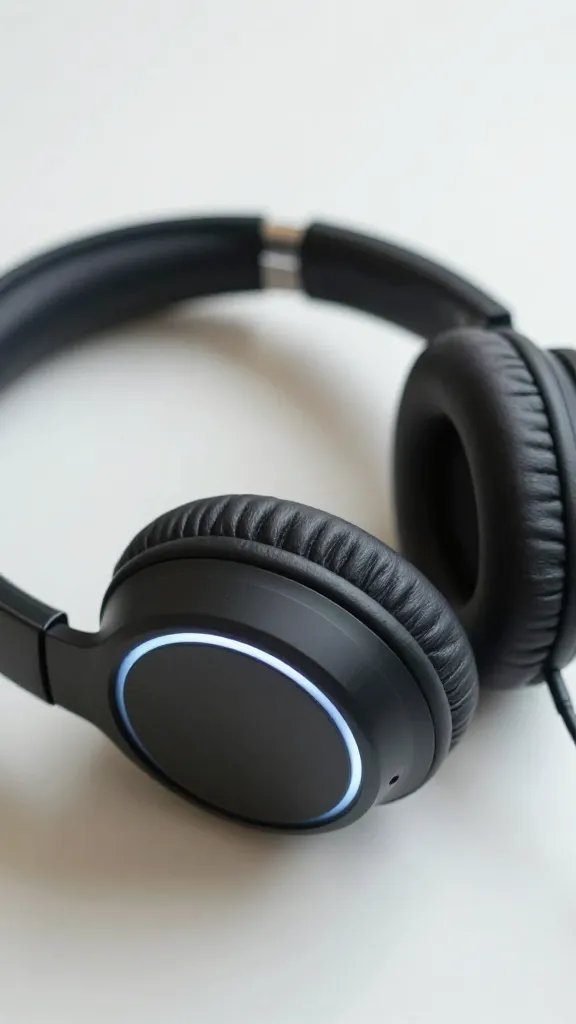
– Noise-canceling headphones for the partner who needs quiet during late-night work sessions. Yes, they’re a thing and yes, they’re worth it.
– Use door seals or draft stoppers to reduce sound whispering through gaps. It’s the small things that add up.
Communicate like adults, not lawyers

Communication saves relationships and ear drums. The goal is to talk about noise without turning it into a nag-fest.
- Weekly “sound check” check-in: 10–15 minutes, non-accusatory. Share what helped, what didn’t, and what you’d like more of.
- Own your noise preferences. Say “I need more quiet during my work,” not “You’re always too loud.”
- Use “I” statements and specific requests rather than blanket judgments. “Could we keep the TV at 40% during the workday?” beats “You never listen to me.”
What to do when voices escalate
– Pause and acknowledge feelings: “I hear you’re frustrated about the volume.”
– Pivot to a pragmatic solution: propose a trial period for a change, like two days with a stricter quiet window.
– End with a check-in: “Did this help today, or do we need to tweak again?”
Tech helps, but don’t rely on gadgets alone
Apps, gadgets, and gadgets-for-good intentions can harmonize sound, but they’re no substitute for respect and compromise.
Need help putting this into practice? The free 7-Day Couples Communication Reset gives you simple daily prompts for calmer conversations.
Download the Free Reset- Smart speakers set rules, not moods. Use volume limits during certain hours.
- Noise apps can track ambient noise and help you plan quiet times. They’re a guide, not a boss.
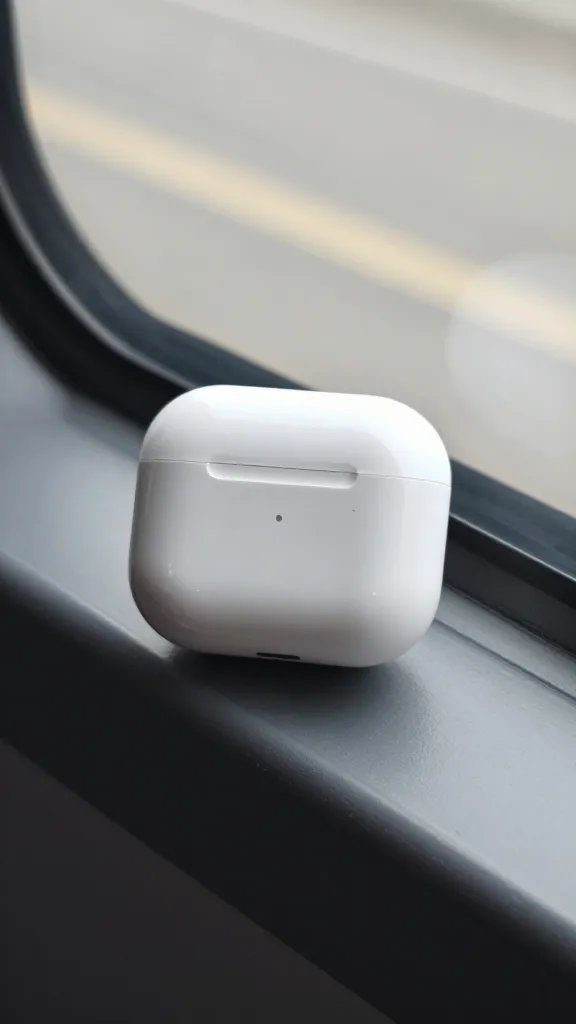
- Headphones are your friend: one partner uses open-ear earbuds for background music, the other uses noise-canceling cans for concentration.
Finding balance when tech clashes with vibe
– If one person relishes a lively home environment, keep common areas active but designate a silent zone for the other.
– Don’t weaponize devices as punishments. “If you don’t lower it, I’ll unplug the router” is dramatic and not productive. It creates resentments, not harmony.
Make room for shared rituals and solo soundscapes
Rituals saturate your daily routine with predictability. Shared rituals give you a sense of togetherness; solo soundscapes honor individuality.
- Morning soundtrack vs. silent mornings: one person plays upbeat tunes, the other enjoys quiet coffee time. Compromise: alternate days or set specific hours.
- Evening wind-down: one partner reads with soft ambient noise, the other catches up on a show with headphones. It’s a win-win.
- Weekly “sound date”: try a noise experiment like a movie night with low ambient audio, or a playlist swap and see how it lands.
When one wants silence, the other wants life
– Acknowledge that desire for peaceful space doesn’t erase the other person’s need for expression.
– Build in “creative quiet” times where the other person can explore music or podcasts in a controlled way.
– Remember: compatibility isn’t about sameness; it’s about choosing to respect each other’s needs.
FAQ
What if we can’t agree on a quiet time?
Start with a timer and a compromise plan. Try a two-week trial where each person gets a dedicated window for their preferred sound. Revisit and adjust after the trial. If you still clash, consider a neutral third-party perspective like a couples therapist or a friend who’s good at mediation.
Do we need to invest in expensive gear?
Not necessarily. Start simple: a good pair of noise-canceling headphones, a white-noise machine, and some soft furniture. If you’re into it, you can upgrade gradually—but fancy gear doesn’t automatically fix mismatched expectations.
How do we handle late-night noise conflicts?
Agree on a “lights out” rule for shared spaces and a couple of late-night activity options: one person listens to music with headphones, the other uses a quiet activity like reading. If necessary, designate a late-night room for louder activities to minimize disruption.
What about kids or roommates messing with our sound plan?
Bring the plan to the whole household in a calm, constructive way. Post the agreed quiet windows and zones so everyone knows what to expect. If noise leaks, talk with your partner first, then loop in the other housemates if needed.
How do we keep it light and not lose our sense of humor?
Laugh about the quirks. Label the “hard-of-hearing mutiny” moments with a funny emoji or a goofy sign. If it stays light, it’s easier to keep healthy boundaries without guilt or drama.
Conclusion
Handling different noise preferences as a couple isn’t about turning down your life to zero or staging a full-blown war room. It’s about designing a home where sound can flex with mood, schedule, and energy. Communicate clearly, set practical boundaries, and sprinkle in a little humor. FYI, you’ll probably end up with a home that feels more harmonious than you expected. IMO, the payoff isn’t just quiet—it’s connection. So grab a playlist, map your zones, and start experimenting together. You’ve got this.
Ready to practice better communication?
Start with the free 7-Day Couples Communication Reset, or explore the full Couples Communication Workbook & Handbook for deeper guided exercises.