A partner changing their appearance can feel like a plot twist you didn’t see coming. You’re caught between curiosity, concern, and wanting to be supportive. Let’s talk about how to handle it without drama, judgments, or turning every compliment into a lecture.
Why this change matters (and why you should care)
Change happens for lots of reasons: personal growth, new routines, or just wanting to try something different. It doesn’t mean your relationship is in trouble, and it definitely doesn’t mean you’ve lost them to a mysterious fashion cult. It’s okay to feel unsettled—recognizing that is the first step.
– It can signal evolving identity, which is a good thing to celebrate.
– It can affect daily life, like how you both dress for events or dates.
– It might raise questions about values, priorities, or boundaries.
If you approach it with curiosity rather than judgment, you’ll learn more about your partner—and yourself—in the process.
Lead with curiosity, not criticism
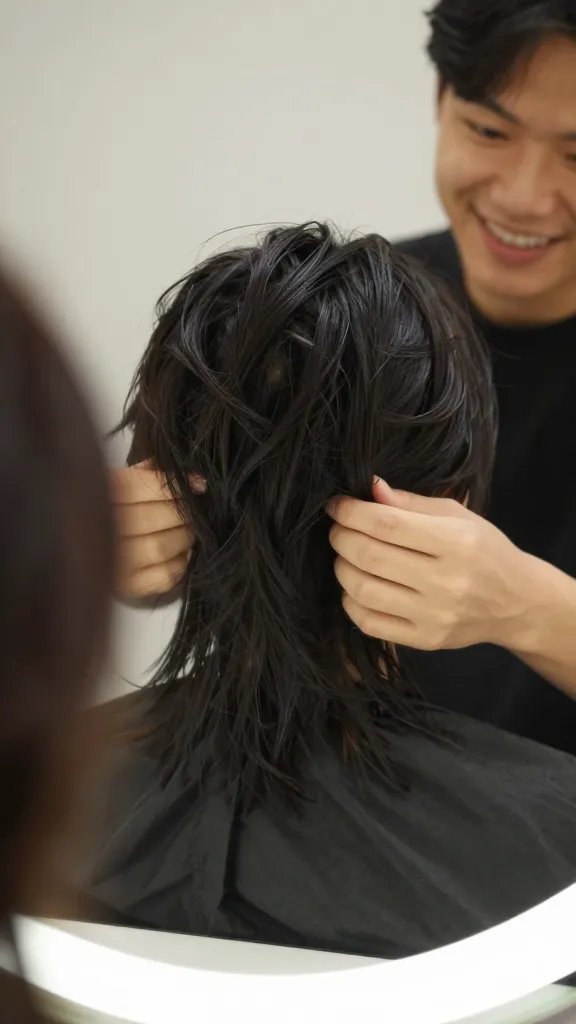
The first move sets the tone. Instead of jumping to conclusions, try a simple, open-ended question. Think: “What inspired this new look?” or “What do you like most about these changes?” Avoid loaded phrases like “What happened to you?” which can feel accusatory.
Free workbook: Want a simple way to practice this? Get the free 7-Day Couples Communication Reset.
Get the Free 7-Day Reset- Ask without interrogating. Tone matters as much as words.
- Label feelings, not accusations. “I feel surprised” beats “You changed too much.”
- Give space to explain. They may need a moment to put thoughts into words.
- Tip: FYI, your partner may not know how to articulate their own motivation right away. Be patient.
Watch for underlying signals
Not every change is about you, and that’s okay to say out loud. Some shifts reflect confidence, comfort, or a new stage in life. Others point to stress, a new job, or a desire to blend in—sometimes it’s simply fashion.
– Look for patterns: Is the change gradual or sudden? A gradual shift gives you time to adjust.
– Notice energy levels: Do they seem more energized after the change? That’s usually a good sign.
– Check your own reactions: Are you feeling left out or relieved? Be honest with yourself.
If you sense a bigger conversation is needed, set a calm moment to chat rather than bringing it up mid-argument.
Practical ways to respond in the moment
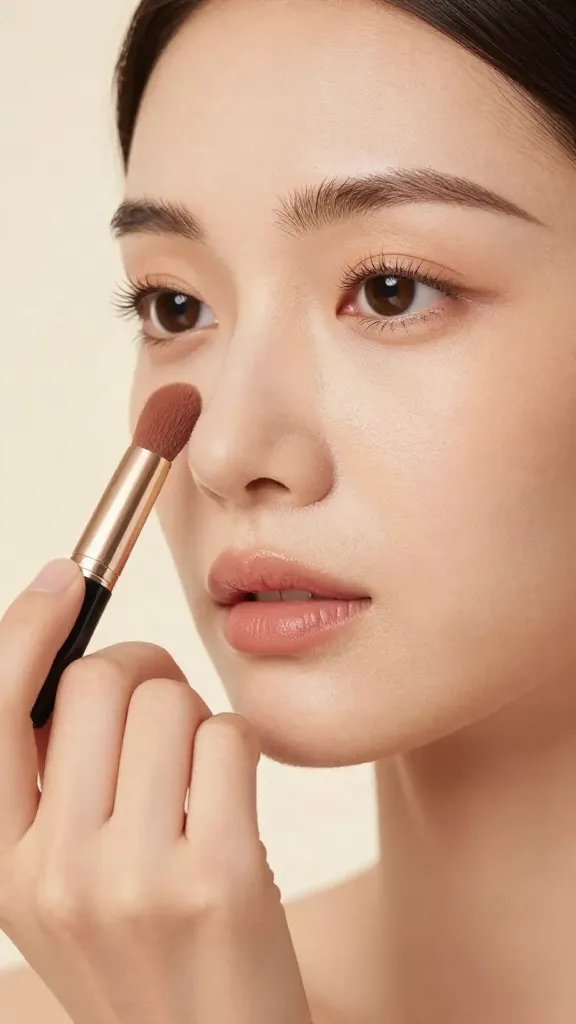
Your responses matter more than you might think. Small, thoughtful moves can reinforce connection.
- Celebrate the change with a compliment that isn’t about height or weight. Focus on the vibe: “Love how bold this feels on you.”
- Offer to be a support system, not a critique. “If you want, I’ll tag along to the stylist.”
- Give practical help. If they’re trying new colors, offer to help with shopping or photos for a post.
- Respect boundaries. If they don’t want to discuss the reasons, drop it and pivot to something light.
Deeper dive: communicating across different comfort zones
When they want to keep changes private
If your partner prefers privacy about their look, respect that boundary. You can still show support without prying.
– Use neutral, supportive language: “I’m glad you’re feeling good about it.”
– Mirror their pace: Let them bring up details when they’re ready.
– Create a safe space for questions later: “If you ever want to talk about what sparked this, I’m here.”
When you’re unsure how to respond to compliments
Compliments can feel fragile if you’re worried about coming off as insincere.
– Be specific: “That color looks amazing on you.” Specificity feels genuine.
– Avoid making it about you: Don’t frame it as “it makes us look better” unless that’s true and you’re both comfortable with it.
– If you mess up, apologize simply and move on: “I might have sounded surprised earlier—sorry about that.”
When friends or family have opinions
External voices add noise. Decide your boundaries together.
– Agree on a united front: “We’re both excited to support this change.”
– Redirect if needed: “Thanks for sharing—she’s the one making the choices here.”
– Keep it light: Humor can defuse tension, but don’t undermine your partner’s autonomy.
Boundaries matter: what to protect and what to adapt

Changes can nudge you to renegotiate little things: date-night outfits, photos for social media, or family gatherings. Boundaries aren’t punishment; they’re mutual agreements about comfort and respect.
– Clarify what you’re comfortable with in public settings.
– Decide how you’ll handle social media posts together.
– Revisit boundaries after a few weeks to see what worked and what didn’t.
If something feels off, check in with your partner. “Are you happy with how things are going?” beats “This is weird, fix it.” The goal is to stay aligned, not to police.
Need help putting this into practice? The free 7-Day Couples Communication Reset gives you simple daily prompts for calmer conversations.
Download the Free ResetKeeping the spark alive with new aesthetics
A change in appearance can be a spark for intimacy and shared discovery.
– Try new activities together: a styling session, a makeup demo, or a fashion show scavenger hunt.
– Compliment consistently, not just once: someone who changes up their look loves ongoing affirmation.
– Embrace playful collaboration: pick outfits for future dates or events as a duo project.
Sometimes the best way to stay close is to treat it as a fun project rather than a verdict.
When to seek outside help
If changes trigger ongoing tension, you might benefit from a third perspective.
– Couple’s therapy can help you rebuild communication muscles.
– A trusted friend or family member can offer a sounding board, as long as you both agree.
– If the change seems tied to self-esteem issues or distress, encourage your partner to seek professional support.
No shame in asking for help if the situation feels sticky. IMO, getting a neutral perspective can save weeks of tension.
FAQ
Is changing appearance a red flag for a deeper problem?
Not necessarily. People reinvent themselves for all sorts of reasons—curiosity, growth, or wanting to feel more like themselves. A red flag would be persistent mood changes, withdrawal, or secrecy. If you’re worried, start with a calm check-in: “Hey, I’ve noticed the changes. How are you feeling about them?” Open dialogue beats assumptions.
How do I compliment their new look without sounding clueless?
Be specific and genuine. Instead of “Nice,” try “That hairstyle brings out your eyes,” or “That color is perfect on you.” Specific, sincere compliments land better and show you’re paying attention.
What if I feel insecure or left out?
Acknowledge your feelings honestly and share them without blame. Say something like, “I’m feeling a little out of the loop, but I love you and want to support you.” Then ask how you can be involved in a way that feels comfortable for both of you.
How do we handle social media reactions?
Agree on a game plan first. Decide whether to post together, how to respond to comments, or whether to keep certain looks off social feeds. Boundaries help prevent online disagreements from spilling into real life.
When should we involve a professional?
If changes trigger frequent fights, ongoing insecurity, or communication breakdowns that you can’t fix together, consider couples counseling. A pro can help you reframe conversations and rebuild trust.
Conclusion
Change is a constant in life—even in relationships. When a partner shifts their appearance, the best move is to lean into curiosity, set healthy boundaries, and celebrate their autonomy. If you show up with support, humor, and honest questions, you’ll strengthen your connection rather than complicate it. So, next time you notice a new hairstyle, a bold color, or a whole new vibe, lead with a smile and a simple, “Tell me about it.” You’ll likely hear a story that brings you closer together. IMO, that’s a win worth styling.
Ready to practice better communication?
Start with the free 7-Day Couples Communication Reset, or explore the full Couples Communication Workbook & Handbook for deeper guided exercises.