You don’t have to summon a monk to talk about estate planning. It’s just about getting your ducks in a row, and maybe saving your future self a headache or two. Let’s make the topic approachable, not a doom-scroll session. FYI: this isn’t the time for dramatic vibes—it’s time for practical, friendly planning.
Why estate planning feels awkward—and why it doesn’t have to
Ever tried to bring up wills at a family gathering and watched the room do the awkward turtle? Yeah, me too. The thing is, estate planning is really just a set of practical steps you take to protect the people you care about. It’s less about doom and gloom and more about clarity, kindness, and a little bit of self-respect. And no, you don’t need a lawyer to start; you just need to start.
– It’s about control: decide who gets what, when, and how.
– It’s about care: reduce stress for the people who matter most.
– It’s about simplicity: fewer fights, fewer “what ifs,” more peace of mind.
If you reframed it as a practical gift to your loved ones, the awkwardness tone drops dramatically. So let’s break it down without the drama.
Start where the heart is: identify your priorities

Before you draft anything, ask yourself a few simple questions. This isn’t a test; it’s a compass.
– Who would you want to receive assets or keep certain responsibilities if you were gone or incapacitated?
– Are there minor children, aging parents, or pets that need a plan?
– What values should guide decisions (charitable bequests, family heirlooms, or specific instructions)?
– How involved do you want your family to be in decisions?
Grab a notebook or a voice memo and capture the first thoughts that come to mind. Don’t overthink it—this is seed data for your plan, not the final act. If you’re unsure about legal terms, that’s totally normal. You’re just mapping out your intentions.
Free workbook: Want a simple way to practice this? Get the free 7-Day Couples Communication Reset.
Get the Free 7-Day ResetMake the basics crystal-clear: documents you’ll want
You don’t need to become a legal wizard, but you should know what the basics look like. Think of these as your readiness checklist.
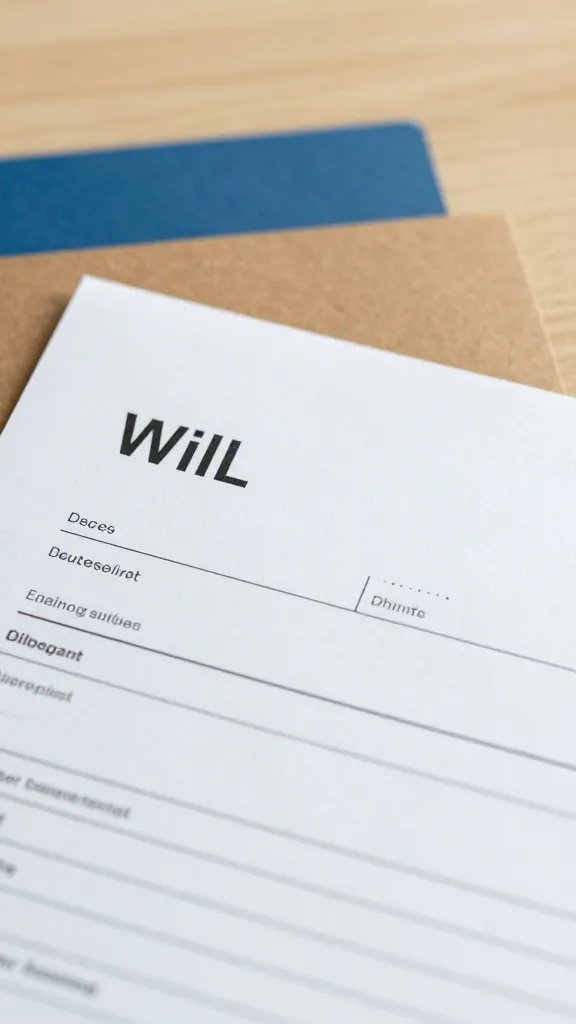
– Will (aka last will and testament): who inherits what, who’s in charge as executor, and basic guardianship notes for minors.
– Power of attorney: who can make financial decisions if you’re unable to, and when it kicks in.
– Advance care directive or living will: your wishes for medical care if you’re not able to communicate them.
– Beneficiary designations: update primary and contingent beneficiaries on retirement accounts and life insurance.
– Digestible inventory: a simple list of assets, debts, and where to find important documents.
Tips to keep it human: store copies where trusted people can find them, but keep sensitive info secure. Consider a digital vault with backups. And yes, write a one-page “where to locate everything” sheet. It saves hours during a stressful moment.
Who should be involved—and how to bring them in without the eye-roll

Estate planning isn’t a solo sport. It helps to loop in a few key people, ideally before you’re in a pinch.
– The trusted allies: spouse, partner, or adult children who’ll be involved in decision-making.
– The quick draw: your attorney or a trusted advisor who can translate your intentions into enforceable documents.
– The quiet backstop: a financial advisor or planner who can align your plans with your broader finances.
Approach tip: set up a low-pressure conversation. “Hey, I’m getting things in order so we don’t fight later or lose our minds. Can we walk through a few basics together?” If you want to keep it light, add a joke about who’s in charge of the remote when the family estate planning ceremony starts.
How to talk about numbers without triggering a freak-out
Money talk tends to derail conversations faster than a pop quiz. Here’s a calmer playbook.
– Keep it practical: focus on what matters now, not “how rich” you are.
– Use plain language: avoid legal jargon. If you must use a term, define it briefly.
– Share a rough map: provide a high-level view of asset categories and where important documents live.
– Acknowledge emotions: it’s okay to feel unsettled; you’re not alone.
If you’re worried about revealing numbers, you can discuss ranges or goals rather than exact figures. And remember: the point isn’t to brag about wealth; it’s to protect the people who matter.
What to do if you feel overwhelmed (hint: you’re not alone)
Estate planning can feel like a big, heavy thing. Here are practical ways to handle overwhelm.
– Break it into bites: tackle one document or one asset class at a time.
– Set tiny deadlines: “I’ll finish this chapter this weekend.” Short sprints beat marathon despair.
– Get help when needed: an attorney can translate wishes into enforceable documents; a financial planner can map your assets to your goals.
– Normalize the process: revisit and revise every few years or after big life changes (marriage, divorce, kids, or a new business).
If you’re tempted to procrastinate, ask yourself: what’s the smallest step I can take today that will move this forward? Then do it.
What you don’t want to forget: quirks, bequests, and guardianship matters
Some details may feel small but can cause headaches if ignored.
– Personal guardianship preferences: if you have minor children, who steps in as guardian? Have a candid conversation with potential guardians about your expectations.
– Pet care: who will love and care for your pets if you’re not around? Yes, you can designate guardians and funds for pets.
– Special instructions: quirky items with sentimental value or family heirlooms should have clear transfer plans.
– Digital assets: accounts, passwords, and access to online services should be accounted for—safely and securely.
Don’t worry about being perfect. The goal is clarity, not perfection. And if someone asks you why you’re doing this, you can shrug with a smile: “I’d rather be prepared than surprised.”
Need help putting this into practice? The free 7-Day Couples Communication Reset gives you simple daily prompts for calmer conversations.
Download the Free ResetSubsection: DIY basics you can handle today
If you want a quick win, here are starter steps you can take right now.
– Create a simple assets map: list major accounts, properties, and valuables.
– Locate critical documents: birth certificates, IDs, insurance policies, and account details.
– Draft a one-page plan: “If something happens, here’s the plan for who handles what.”
– Schedule a consult: find a reputable attorney or financial planner to review your plan.
Small steps compound into real protection. IMO, the hardest part is starting; once you begin, momentum usually follows.
FAQ
What if I don’t have a lot of assets?
If your estate is modest, you still benefit from a will, a durable power of attorney, and an advance directive. Simple plans save time, money, and headache for your loved ones. It’s not about wealth; it’s about clarity and care.
Do I need a lawyer to start estate planning?
You don’t have to hire a lawyer to begin. You can draft a basic will and directives on your own, but a lawyer helps ensure documents meet state requirements and reflect your wishes accurately. If you start DIY, have a check-in with a pro later to review and finalize.
How often should I update my plan?
Review your plan after major life events: marriage, divorce, birth of a child, death of a beneficiary, or a big change in finances. Also, set a yearly reminder to sanity-check names and contact details.
What’s the biggest mistake people make?
Assuming “it’ll be fine” or procrastinating until it’s too late. The second-biggest mistake is not communicating your plan to key people. Your future self will thank you for the clarity you provide now.
How can I make this less boring for family conversations?
Frame it as practical care, not grim prophecy. Use real-life examples (with names redacted) to illustrate why certain decisions matter. Add a dash of humor where appropriate, and set a specific time limit for the discussion to keep it from spiraling.
Are digital assets really important in estate planning?
Yes. Digital assets matter: access to emails, cloud storage, social media, and digital currencies can be part of your estate. Include a safe way to share access information with your trusted executor or attorney.
Conclusion
Estate planning isn’t about doom, it’s about making life easier for the people you care about. It’s a practical gift you give your future self and your loved ones. Start with your priorities, keep it simple, and bring in help when you need it. Before you know it, you’ll have a plan that feels calm, not chaotic—and you’ll be the person who doesn’t trigger an awkward family moment at the next gathering.
If you want, I can tailor a one-page starter plan based on your situation and share a quick checklist to kick things off.
Ready to practice better communication?
Start with the free 7-Day Couples Communication Reset, or explore the full Couples Communication Workbook & Handbook for deeper guided exercises.