I get it. Money conversations can feel heavier than a groceries-on-salad combo. But keeping separate bank accounts after marriage doesn’t have to be dramatic. It can be practical, transparent, and, dare I say, slightly liberating. Let’s break it down, friend.
Why People Keep Separate Bank Accounts After Saying “I Do”

You’re not alone if the idea sounds oddly refreshing. Some couples want financial autonomy, others want to protect savings, and a few just want fewer fights about who bought the last avocado. The point isn’t chaos; it’s clarity.
– Freedom to manage personal spending without audits.
– A safety net for personal goals or side hustles.
– Clear boundaries for shared expenses versus personal splurges.
– Easier diplomacy when money talk ramps up or down.
But FYI: autonomy doesn’t mean chaos. The key is setting guidelines that keep both partners comfortable and aligned.
Set Clear Boundaries Up Front

No one wants a mystery budget. Start with a candid chat about expectations, then jot it down. Yes, writing things down sounds nerdy, but it beats years of “where did our money go?” questions.
– Decide how you’ll handle joint expenses (rent, utilities, groceries) versus personal expenses (hobbies, gadgets).
– Agree on a method to track shared costs (a joint bill, a simple app, or a monthly transfer).
– Establish a cap on personal spending that doesn’t trigger guilt in either partner.
Free workbook: Want a simple way to practice this? Get the free 7-Day Couples Communication Reset.
Get the Free 7-Day Reset- Joint account for shared bills
- Individual accounts for personal autonomy
- Optional “date night” fund you both contribute to
Communication Rituals That Actually Work
You don’t need a weekly budget sermon. A quick weekly check-in does wonders.
– Ask: “What’s coming up in your week financially?”
– Review upcoming big-ticket items together.
– Decide when to revisit the plan if life changes (job shift, kid stuff, big move).
Little rituals, big payoff. And yes, you can still laugh about how you both nearly bought a life-size dinosaur statue on a whim.
Tools That Make It Easy, Not Painful
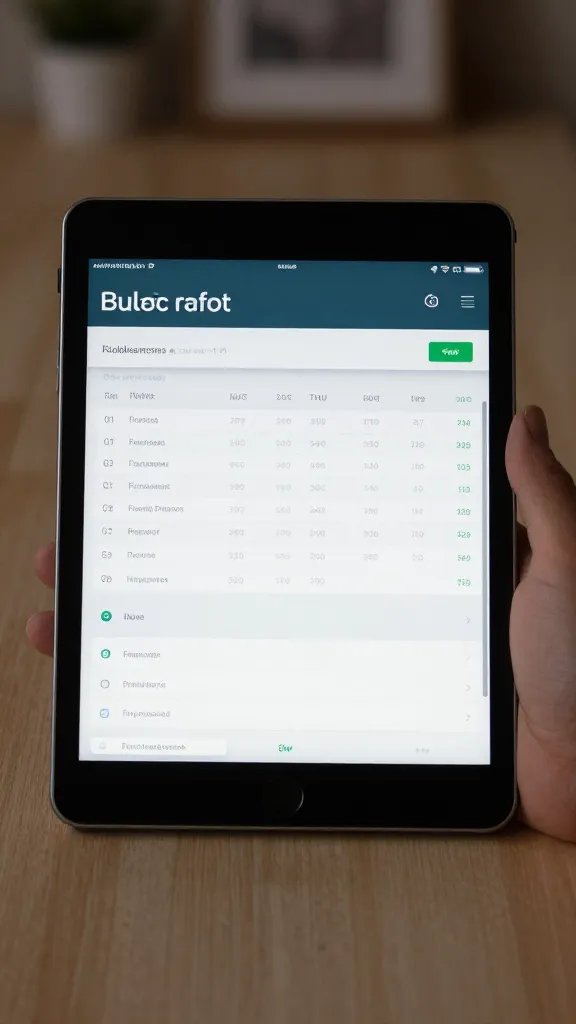
Tech is your friend here. The goal is transparency, not micromanagement. Pick a setup that feels light.
– Joint account for recurring expenses
– Individual accounts for personal spending
– A budgeting app or simple spreadsheet people actually use
– Monthly reconciliation: a quick glance to confirm balances and planned transfers
- Automated transfers on payday to keep things predictable
- Set alerts for large transactions to stay in the loop
- Keep receipts or notes for big purchases to avoid memory gaps
How to Choose the Right Setup
If you hate meetings, you’ll hate this section less than you think. The right setup matches your personalities.
– Do you both hate following a strict budget? Consider a lean system with minimal rules and more trust.
– Do you both love data? Use detailed categories and frequent reviews.
– Do you have debt or loans? A separate debt-paydown plan can sit alongside the personal accounts.
Now, a tiny caveat: the perfect system isn’t perfect. It’s functional. It’s flexible. It’s yours.
When It Becomes About Fairness, Not Fault
Separate accounts aren’t a sign of trouble; they’re a tool for fairness. It’s not about tracking every penny with a microscope; it’s about avoiding resentment.
– If one person earns substantially more, you might set proportional contributions to shared expenses.
– If you’re saving for a joint goal (home, vacation), both partners should feel invested.
– If one partner is carrying more debt, you can adjust contributions and still keep autonomy.
The aim is balance without blame. For many, fairness means a little give and take, not a heavy spreadsheet sermon every Friday night.
Common Pitfalls to Dodge
Nobody wants to trip over money mistakes you could have avoided with a heads-up.
– Hidden accounts or secret spending that erodes trust.
– One partner feeling “out of the loop” about the other’s purchases.
– Letting separate accounts become impassable walls instead of helpful tools.
How to dodge these? Regular, honest chats, and a plan to reassess when life shifts (new job, relocation, kids, etc.).
Need help putting this into practice? The free 7-Day Couples Communication Reset gives you simple daily prompts for calmer conversations.
Download the Free ResetDealing with Big Changes
Life happens fast. A promotion, a layoff, or a move can reshape your financial map.
– Revisit your boundaries and contributions every 6–12 months.
– Update your plan if you gain debt, save aggressively, or start a business.
– Keep a note about major purchases that require mutual agreement.
Flexibility beats rigidity here. IMO, a couple that talks about changes before they explode wins the game.
FAQs: Quick Answers to Your Burning Questions
Isn’t keeping separate accounts bad for a marriage?
Not inherently. It can reduce friction by clarifying who pays for what and who gets to spend on personal stuff. The magic trick is to couple separation with transparency. Share the essentials, but keep some privacy where it makes sense.
How do we handle joint expenses without a joint account?
Use a system that works for you. Options include:
– A shared credit card used for joint bills.
– A monthly transfer from each person’s account to a dedicated “joint” fund.
– A budgeting app that splits shared costs automatically.
Consistency over perfection wins here.
What about debt and savings in a separate setup?
Decide if debt payoff and savings goals sit in the joint space or each person’s space. Some couples keep debt and emergency savings in the joint realm while personal savings stay in individual accounts. The key: clarity and shared goals.
How often should we revisit the plan?
At minimum, every 6–12 months. If a big life change hits (new job, kids, relocation), reassess sooner. Keep it lightweight but real.
What if one person earns a lot more than the other?
Proportional contributions to shared expenses work well. You can also maintain autonomy with personal accounts while still aligning on big goals. The idea is fairness without micromanagement.
Can we still surprise each other with gifts?
Absolutely. Keep a reasonable personal budget for gifts and a shared understanding of what counts as a gift. It’s not about policing; it’s about keeping the romance alive without feeling blindsided.
Conclusion
So, should you keep separate bank accounts after marriage? If it helps you sleep at night, reduces friction, and keeps both partners feeling respected, the answer is a confident yes. The trick isn’t the accounts themselves; it’s the open conversations, clear boundaries, and a plan that sticks. FYI, you don’t have to be perfect to make this work. You just need to be honest, flexible, and a little playful about money.
Ready to try it? Start with a 20-minute chat this weekend. Bring snacks, bring honesty, and bring a willingness to tweak things until they feel fair. After all, money is a tool, not a weapon. And a little humor goes a long way when you’re negotiating who gets to buy the next fancy coffee.
Ready to practice better communication?
Start with the free 7-Day Couples Communication Reset, or explore the full Couples Communication Workbook & Handbook for deeper guided exercises.