Are you tired of vibe-killing debates about keeping hobbies separate? You’re not alone. The goal isn’t to erase shared interests, but to keep each hobby feeling like a personal joy while still building a life together. Let’s talk about how to navigate this without turning your hobbies into landmines.
What it means to keep separate hobbies without drifting apart
Sharing hobbies can be a glue, but separate passions keep your individuality intact. When you respect each other’s space, you both win: you stay curious, unique, and energized. So, how do you balance it without turning it into a competition or a complaint?
Set the stage: boundaries that actually work
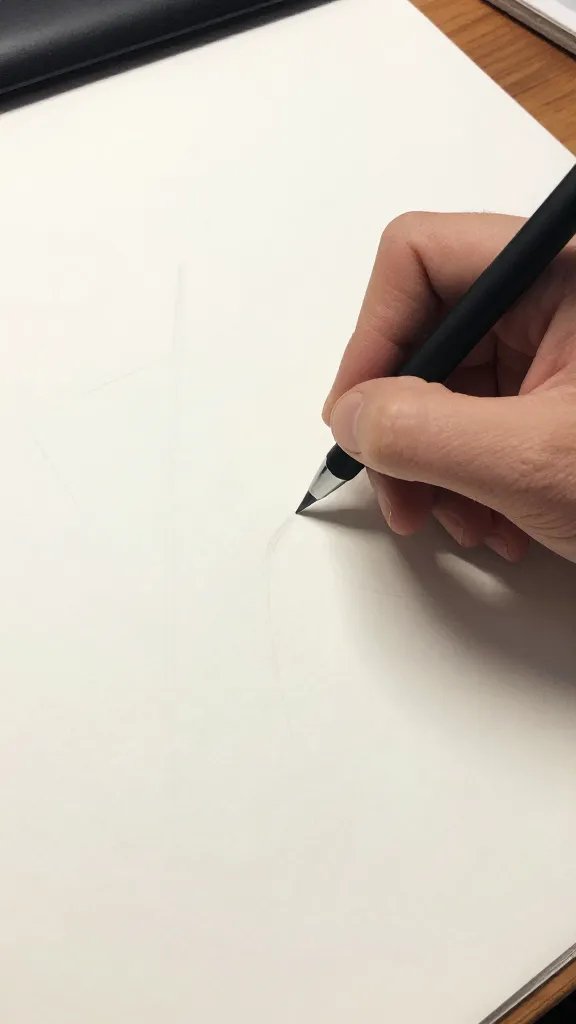
Boundaries aren’t walls; they’re signs that say, “I’ve got room for you and my own stuff.” Start with clear, simple agreements.
– Define “my hobby” vs. “our time.” Decide when you pursue your own interests and when you do something together.
– Time blocks work wonders. Schedule dedicated solo hobby time and couple time. It sounds rigid, but it actually creates freedom.
– Agree on space and support. You don’t have to crowd each other’s activities. Offer encouragement, not judgment.
Free workbook: Want a simple way to practice this? Get the free 7-Day Couples Communication Reset.
Get the Free 7-Day ResetSubtle pitfalls to avoid
– Don’t weaponize hobbies as a shove-off line. “That’s not for you” hurts more than it helps.
– Don’t hijack each other’s hobby time with guilt trips. It’s not a test; it’s a choice.
Communicate like a human, not a counselor
Communication is the secret sauce here. You want clarity without turning every chat into a debate.
– Voice curiosity, not accusation. “What do you love about this?” beats “You spend too much time on that.”
– Share your why. Explain what the hobby gives you—calm, energy, creativity—so your partner understands the pull.
– Check in regularly. A quick, “How’s the balance feeling this week?” keeps small issues from snowballing.
When feelings get tangled
If a hobby feels like a sneaky space invader, name the feeling. Is it fear of missing out? Insecurity about time spent? Labeling it helps you both address the root, not the symptom.
Make room for shared hobbies without losing your edges
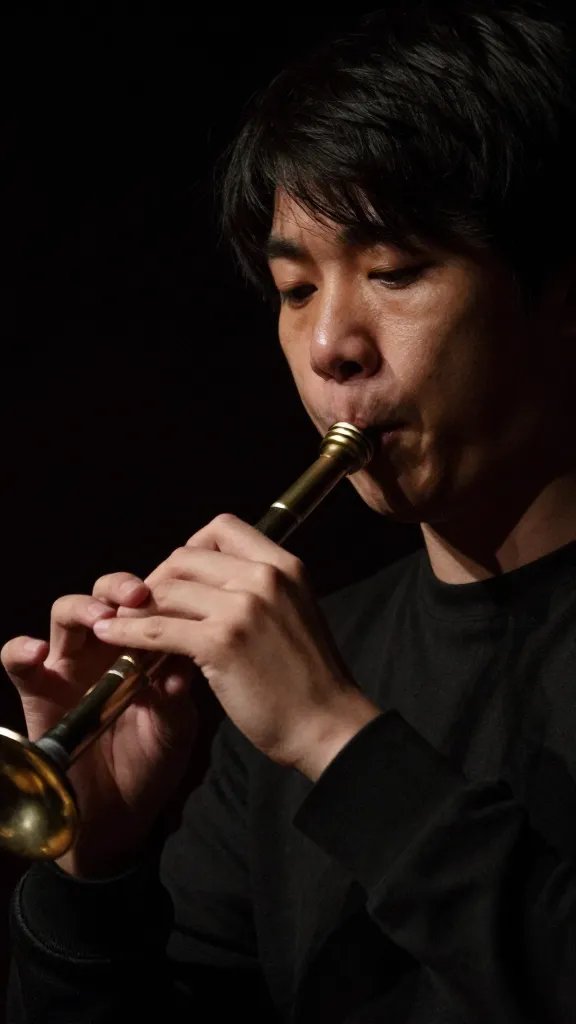
You can absolutely maintain separate hobbies while cultivating things you both enjoy.
– Rotate (or remix) shared activities. Try a new activity together every few weeks to build fresh, shared joy.
– Borrow from each other’s toolkit. If your partner does photography and you love nature walks, bring a camera along and swap roles occasionally.
– Celebrate the wins, big and small. Acknowledge when a shared moment goes well or when you respect a boundary.
Practical examples
– If you’re into video games and your partner loves hiking, plan a weekend that blends both—a scenic hike with a relaxing game night afterward.
– If one of you writes fan fiction and the other paints, set a “creative night” where you each present a tiny piece of your work and give constructive, positive feedback.
Handling conflicts without drama
Conflict can derail, but it doesn’t have to derail forever. Approach disagreements about hobbies with practical steps.
– Prioritize the relationship over the hobby. If a plan clashes, choose togetherness over a solo activity.
– Use a cool-off rule. If you feel heated, pause the discussion and revisit later.
– Offer concrete compromises. Instead of “never,” try “once a week, you do your thing, I’ll do mine, and we share a 30-minute chill moment.”
Need help putting this into practice? The free 7-Day Couples Communication Reset gives you simple daily prompts for calmer conversations.
Download the Free ResetWhen one hobby becomes a backbone issue
If a hobby starts to dominate time, money, or energy, address it head-on with a calm plan. Rebalance budgets, renegotiate time blocks, and remind yourselves why you’re in this partnership.
Finance, space, and time: practical stuff that makes or breaks it
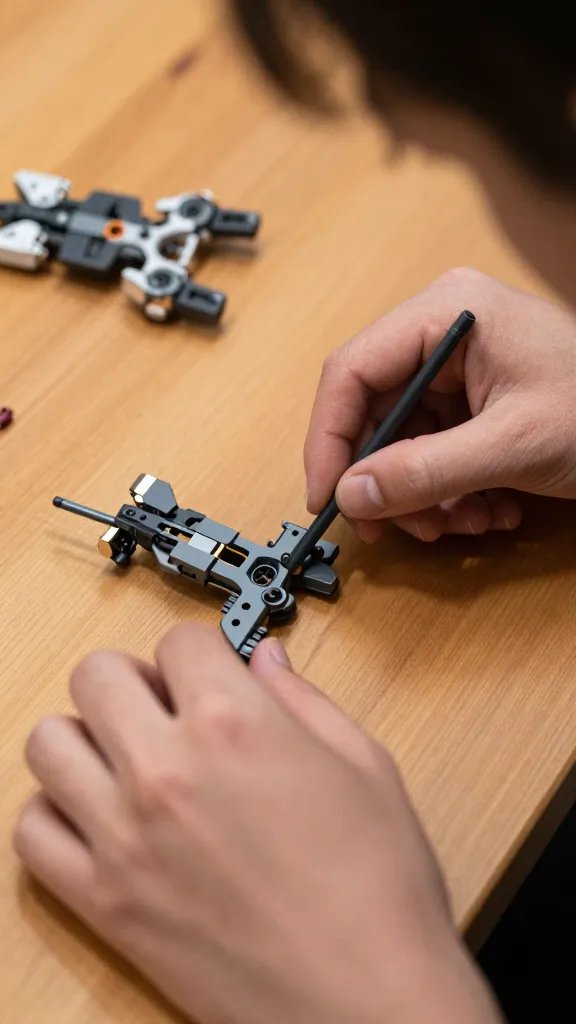
Hobbies cost money and space. Being practical prevents resentment from creeping in.
– Budget visibility. Create a hobby budget you both own. No surprises, no “you spent how much?” moments.
– Organized space. A dedicated corner or shelf for each hobby reduces friction. If you share a living area, label spaces and keep them tidy.
– Time management. Don’t steal time from the important things (sleep, meals, essential errands). If you’re in a busy season, plan lighter hobby load.
Keeping the flame alive: romance and friendship tips
Your relationship deserves more than “don’t fight.” It deserves intentional, fun moments.
– Date your hobbies, not just each other. Surprise your partner with a mini-event tied to their hobby.
– Let humor in. Light teasing about quirks can be endearing when done kindly. FYI, sarcasm works best when it’s on you, not about the other person’s passion.
– Make “us” a hobby too. Create an ongoing project you both enjoy—like a small home improvement, a shared garden, or a weekly tradition.
FAQ
Why is it okay to have separate hobbies in a relationship?
Having independent interests keeps you mentally and emotionally refreshed. It preserves your sense of self, which actually strengthens the bond because you bring new energy, stories, and perspectives back to your partner.
How do I bring up the topic without sounding accusatory?
Lead with curiosity and care. Say something like, “I love our time together, and I also need some solo time to recharge. How can we make both work?” Keep it collaborative, not confrontational.
What if my partner doesn’t understand my hobby?
Explain your why in simple terms and offer a taste. A quick demo, a mini showcase, or sharing a favorite piece of work can bridge the gap. If they’re still unsure, give them space to observe from a distance and learn what it means to you.
How do we handle funding for hobbies when money is tight?
Agree on a monthly hobby budget and stick to it. If funds are tight, swap in low-cost options or free activities. It’s not about cutting fun; it’s about prioritizing shared financial health.
What if one hobby clashes with important life events?
Moments trump hobbies. If something major comes up, cancel or pause the hobby temporarily and communicate clearly. Revisit once the event passes, and celebrate the resilience you both showed.
Conclusion
Keeping separate hobbies without drifting apart isn’t about building fences; it’s about giving each other air to breathe and space to grow. Set boundaries, communicate with honesty, and keep a sprinkle of shared joy in your week. IMO, the result is a relationship that feels both deeply close and wonderfully independent. You’ll show up as your best self, and you’ll be surprised how much better your conversations, creativity, and chemistry become when your hobbies stop competing and start coexisting. If you’re ever unsure, just ask: what small step can we take this week to honor both our individuality and our partnership?
Ready to practice better communication?
Start with the free 7-Day Couples Communication Reset, or explore the full Couples Communication Workbook & Handbook for deeper guided exercises.