The moment you announce a wedding, the money talk kicks in like a chorus of relatives with opinions. You don’t have to borrow trouble—or borrow from your parents to prove you’re adult enough to tie the knot. Let’s cut through the pressure and figure out how to talk about paying for a wedding without turning into a family feud.
Why this topic deserves a calm, clear approach
Money conversations are delicate, especially around weddings. Everyone has some version of “what’s fair” stuck in their head, and it’s easy for feelings to get tangled with finances. The goal isn’t to win a budgeting battle, but to align expectations and keep relationships intact. FYI, a little transparency goes a long way.
Start with a what, not a who
When you bring up costs, frame the talk around plans, not blame. Instead of “you’re responsible for paying for half,” try “here’s what we’re considering for the budget, and here’s how we’ll approach the costs.” This keeps the focus on the goal—successful wedding day, minimal stress.
Free workbook: Want a simple way to practice this? Get the free 7-Day Couples Communication Reset.
Get the Free 7-Day Reset- Draft a simple budget—ballpark figures are fine to start.
- Identify non-negotiables (venue, guest count, catering) vs. nice-to-haves.
- Decide what you both can contribute without resentment.
Set up a calm, specific conversation

Choose a time when no one’s rushing, and there are snacks involved. Yes, snacks are important. Keep the chat short and practical, then follow up with a plan in writing. A good script helps if you’re nervous: “We want to cover the wedding costs in a way that feels fair to everyone. Here’s our budget and what we’re asking for, and here’s where we’d love your input.”
Subtlety matters more than you think
Form your questions to invite discussion, not judgment. Instead of “Do you have to pay for this?” ask “What feels doable for you, and what would you be comfortable contributing?” It opens space for honest answers rather than defensiveness.
Offer clear, flexible options
People love having choices. Give your family practical options that make contributions feel doable. You can propose a few different plans for handling expenses, so they can pick what fits best without feeling cornered.
- Option A: Everyone covers their own guest-related costs (attire, travel, some activities).
- Option B: Family covers a specific category (reception meals, or photography), with cap limits.
- Option C: A hybrid where you cover the bulk, and family throws in a set amount toward a particular line item.
Be transparent about your own contributions
Mutual transparency builds trust. Share what you’re contributing, what you’ve saved, and where you’re comfortable drawing a line. If you’ve saved up or cut costs in other places, say so. People respect honesty, and it helps prevent “hidden costs” later.
Tip: turn numbers into a story
Explain how you arrived at your budget. People connect with stories more than numbers alone. For example: “We’d love a big dance floor and live band, which drives cost up, so we’re prioritizing that by reducing guest count a bit.” It helps folks see the logic instead of feeling left out.
Set boundaries kindly but firmly
Boundaries aren’t mean; they’re helpful. If someone asks for something you’re not comfortable with, say so without apology, and offer alternatives. You’re allowed to protect your own financial health and your relationship at the same time.
- Respond with appreciation: “I really appreciate you wanting to help.”
- Be specific: “We can’t stretch our budget beyond X.”
- Offer alternatives: “If you’d rather fund Y, we can adjust Z.”
Leverage a written plan and a follow-up
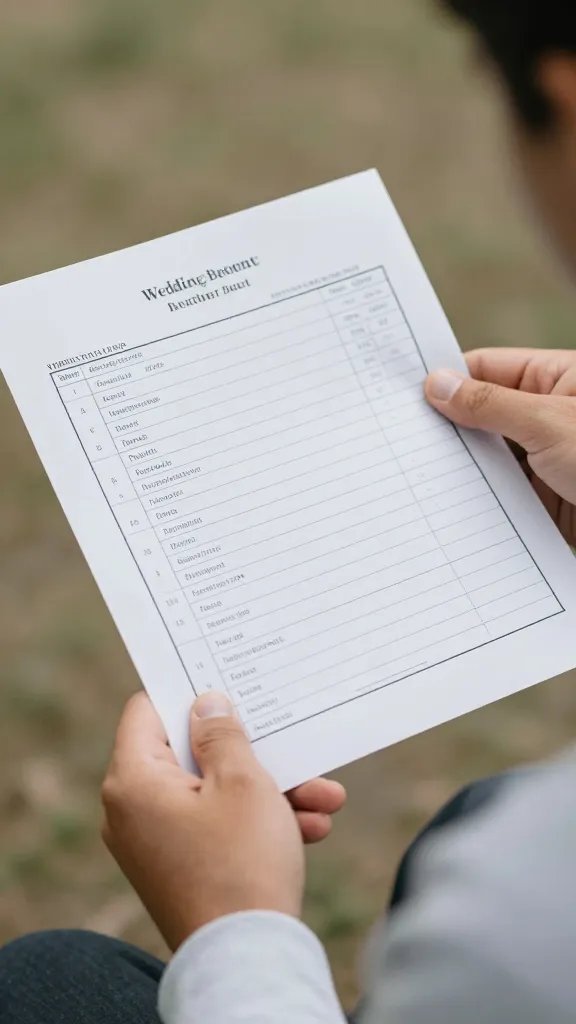
A one-on-one chat is great, but a written budget and plan keeps everyone on the same page. Send a simple summary after the talk: what’s being funded by whom, cap amounts, payment timelines, and who to talk to with questions. This reduces confusion and second-guessing.
How to present the plan
– Start with a quick recap of the conversation.
– Show the budget broken into sections: venue, catering, attire, decor, entertainment, etc.
– List who’s contributing what, and the timeline for each contribution.
– Invite feedback and schedule a check-in date.
Need help putting this into practice? The free 7-Day Couples Communication Reset gives you simple daily prompts for calmer conversations.
Download the Free ResetDealing with pressure in the moment
Family members might nudge or guilt you into “doing more.” Don’t derail the conversation. A calm response can defuse tension: “We’ve got a plan that works for us, and we’re sticking with it. If it doesn’t fit, let’s talk about alternatives.” And yes, a well-timed sigh and a sip of water help.
Common pressure points and how to handle them
– “This is your once-in-a-lifetime event; you shouldn’t worry about money.” Reply: “We want this day to be amazing, and we also want to prevent debt and stress after the honeymoon.”
– “Everyone expects us to pay for X.” Reply: “We’re aiming for a balanced approach that respects everyone’s situation.”
– “Can’t you just do Y instead?” Reply: “We considered Y, but we’ve prioritized Z because it matters most to us.”
Protect your relationship with humor and humility

A little humor can ease tension. If a relative pushes too hard, a light joke can reset the vibe without making anyone defensive. If humor lands poorly, switch to a sincere, steady tone. People remember how you make them feel more than the exact phrasing you used.
- Share a quick anecdote: “If we kept squeezing for one more guest, our dog would demand a cake.”
- Use “we” language to reinforce teamwork: “We’re building this wedding together.”
- Respectfully acknowledge their role: “Your support means a lot to us.”
When to bring in outside help
If talk spirals or family dynamics complicate things, don’t hesitate to seek external support. A friend who’s been through this, a wedding planner, or a mediator can help steer the conversation. FYI, a neutral third party can erase some of the emotional landmines.
Professional help you might consider
– Wedding planner with budgeting expertise
– Financial counselor who specializes in family dynamics
– Mediator for tough conversations
FAQ
How do I start the conversation without sounding accusatory?
Start with a shared goal: a beautiful day that fits within everyone’s comfort zone. Use “we” statements, present your plan briefly, and invite input. Keep it short and friendly.
What if family members still pressure us after the talk?
Set a clear boundary: reiterate your budget and the plan, then pivot to gratitude for their support. If pressure continues, limit the scope of discussions to essential topics and defer others until you’re ready.
Is it okay to decline help even if it hurts someone’s feelings?
Yes. You can thank them for the offer and explain that you’re prioritizing a budget that won’t jeopardize your financial future. You can still welcome their involvement in non-monetary ways (planning, sourcing decor, helping with invitations).
How do we handle big costs we can’t cover?
Be honest about gaps and propose phased contributions or alternative options. Consider adjusting guest count, venue type, or timing to reduce expenses. Remember: you control the plan, not the guilt trip.
What if we want to keep costs private from extended family?
You can keep certain details private if you’re comfortable. Share the parts that matter to everyone (date, venue, basic budget ranges) and keep the rest internal. If asked, say you’re managing things carefully and appreciate their support.
Conclusion
Talking about who pays for what at a wedding doesn’t have to spark a family melodrama. With a clear plan, compassionate language, and a dash of humor, you can navigate the money part without burning bridges. IMO, the best weddings feel like a team effort where everyone’s boundaries are respected and the couple gets to celebrate their day without financial stress. So map it out, keep expectations realistic, and enjoy the process—your future selves will thank you.
Ready to practice better communication?
Start with the free 7-Day Couples Communication Reset, or explore the full Couples Communication Workbook & Handbook for deeper guided exercises.