The moment you realize you actually need to talk about wedding expectations before an engagement is the moment you grow up a little. Spoiler: it’s not about who walks down the aisle first or whose aunt brings the dubious fruitcake. It’s about alignment, respect, and a shared vision of the big day—and the life that comes after it. Let’s dive in without the drama and with a dash of practical wisdom.
Why this chat matters before the ring
– Waiting until after a proposal usually means you’re already in “keeper mode” learning each other’s quirks. That’s not the time to pilot a trust-fund wedding plan.
– You’re not signing up for a tiny, boring ceremony. You’re signing up for a partnership. The wedding is a snapshot, not the entire script.
– FYI: misaligned expectations show up as resentment later. A quick, honest talk now saves a mountain of awkward conversations later.
Start with your own truths (and then bring a friend for backup)
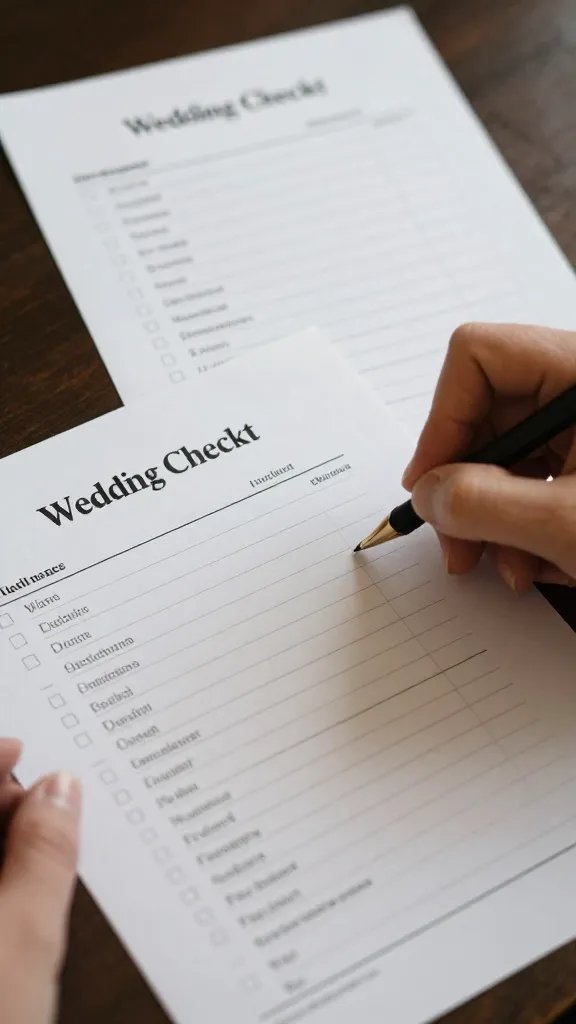
- Know what you want: think about money, guests, venue vibes, and non-negotiables (like religious considerations or family traditions).
- Define red lines gently: what would make you say, “Nope, not happening”?
- Be ready to hear the same from your partner. This isn’t a contest; it’s collaboration.
5 big questions to ask before you say “Yes” to the engagement
1. How do we handle money and wedding budgeting?
Money talk doesn’t have to be a downer. Do you prefer a lean, DIY vibe or a splurge-y, glam affair? Talk about:
Free workbook: Want a simple way to practice this? Get the free 7-Day Couples Communication Reset.
Get the Free 7-Day Reset- Your comfort with debt or saving goals
- Who covers what costs and how you’ll split surprises
- Non-negotiables and flex zones
Ask: “What’s a reasonable wedding budget for us, given our situation?” Then set a rough plan. If you cringe at the word “budget,” remember: being honest about money now saves drama later.
2. What’s the vibe we actually want for the day?
Ask about tone, pace, and style. Do you want a big party, a small ceremony, or a mix? Consider:
- A formal gala, a casual backyard bash, or something in between
- Family traditions that matter vs. trends you’re itching to skip
- How you’ll handle vendor expectations and timeline chaos
Your partner might surprise you with a preference you didn’t expect. Lean into curiosity, not competition.
3. How do we handle family drama and boundaries?
Family dynamics can be a fun background plot or a surprising antagonist. Talk about:
- Who gets invites and who doesn’t, and why
- People you’re willing to disappoint for your own boundaries
- Plans for managing unsolicited opinions gracefully (or with humor)
Boundaries aren’t mean; they’re necessary. You’re building a life together, not auditioning for a family reality show.
4. What traditions matter, and which can we retire?
Traditions are meaningful, but they don’t get a veto only by age or Pinterest board. Decide:
- Traditions you want to honor and ones you want to skip
- Any cultural or religious elements that require planning
- How you’ll blend families without trampling each other’s nerves
Let some playful humor guide you here. If you hate the garter toss, say so. There’s room for clever alternatives.
5. What’s the plan if things shift after engagement?
No, this isn’t doom and gloom. It’s practical:
Need help putting this into practice? The free 7-Day Couples Communication Reset gives you simple daily prompts for calmer conversations.
Download the Free Reset- How long you’re willing to wait to set a date
- What if a personal or logistical obstacle pops up
- How you’ll handle disagreements about guests or logistics
Having a plan doesn’t mean you’re pessimistic; it means you care enough to stay flexible.
How to keep the convo productive (and not a fight)

- Set a time and place. No cooking smoke, no cardio afterglow. Just a calm chat window.
- Use “I” statements and share, don’t shout. “I feel…” beats “You always….”
- Invite curiosity, not competition. You’re a team, not opponents in a reality show.
- Agree on one or two non-negotiables, then pick three flexible areas.
When to bring in a third party (and when to skip it)
Pro
– A neutral friend or mediator can keep conversations grounded and avoid spiraling into “you always/never.”
– A financial advisor or pre-marital counselor can lay groundwork for both money and communication styles.
Con
– Don’t invite a relative who loves drama to moderate. That usually backfires.
– You don’t want to outsource core decisions to someone else; you’re building your life together.
Practical tools to keep expectations aligned

- Communication calendar: schedule monthly check-ins to update plans and feelings.
- A shared “inbox” for ideas, concerns, or anecdotes that matter later.
- A simple one-page document that captures core values, budget boundaries, and top three priorities.
- A small, non-judgmental ritual to revisit dealbreakers if things change.
What if one of you changes your mind?
Change happens. People evolve, and that’s okay. The key is to catch the drift early and talk it out without blame. If the shift isn’t a dealbreaker for either of you, you can adjust the plan. If it is, you owe it to yourselves to be honest and brave. No pretending you’ll “just figure it out later.”
FAQ
Is it too early to talk about wedding expectations before engagement?
Nope. It’s actually smart. Laying groundwork early prevents a flood of miscommunications later. You’ll save time, money, and a lot of awkward conversations when time moves faster than a Pinterest board.
How honest should we be about our budgets before engagement?
As honest as you can be without turning the talk into a math lecture. Share rough figures, your comfort zones, and your biggest financial fears. The goal isn’t to shatter dreams; it’s to align them.
What if our ideas about the wedding clash hard?
Clashes happen. Use them as a truth-check: what’s non-negotiable, what’s negotiable, and what’s a compromise you both can live with? If you can’t find a middle ground, consider postponing or reimagining the wedding to fit both visions.
How do we talk about family invitations without drama?
Set boundaries with kindness. Decide on a guest framework first, then bring in family lists. Be transparent about why some decisions are non-negotiable and offer alternatives like honoring traditions in a different way.
Should we involve our families in the conversation?
Yes, but with boundaries. Let them know you’re penciling in your future together first, then bring in the bigger picture. If tensions rise, schedule a separate chat with the family members who matter most and keep the core couple’s stance consistent.
Conclusion
Moving from “we’re dating” to “we’re planning a life together” starts with honest, vibe-check conversations about wedding expectations. Doing this before engagement isn’t doom and gloom—it’s the blueprint for a future you actually want. Be curious, be kind, and be a little playful. FYI, you’ll thank yourselves later when you don’t have to rehash the basics after you say yes. You’ve got this, and yeah, the talk is worth it.
Ready to practice better communication?
Start with the free 7-Day Couples Communication Reset, or explore the full Couples Communication Workbook & Handbook for deeper guided exercises.