I know the feeling: one partner crushing night shift after night shift, and the other trying not to feel like a walking ghost of a relationship. You don’t need a playlist of doom and gloom to fix this—just a few practical tweaks that keep you both in sync, even when the clock hates you. Let’s dive into how to stay connected without turning every night into a scheduling nightmare.
Why sheer proximity isn’t the secret anymore
You might think “just be in the same room” solves everything. Spoiler: it mostly helps when you’re both awake. Night shifts flip the usual rhythm, and that rhythm is what friendships and relationships rely on. The goal isn’t perfection; it’s predictable little moments that say, “I’m here, even if I’m half-asleep.” FYI, consistency beats intensity in the long run.
Sync the small stuff: micro-rituals that work

Little routines can create big emotional payoff. Here are some simple ideas to steal and make your own:
Free workbook: Want a simple way to practice this? Get the free 7-Day Couples Communication Reset.
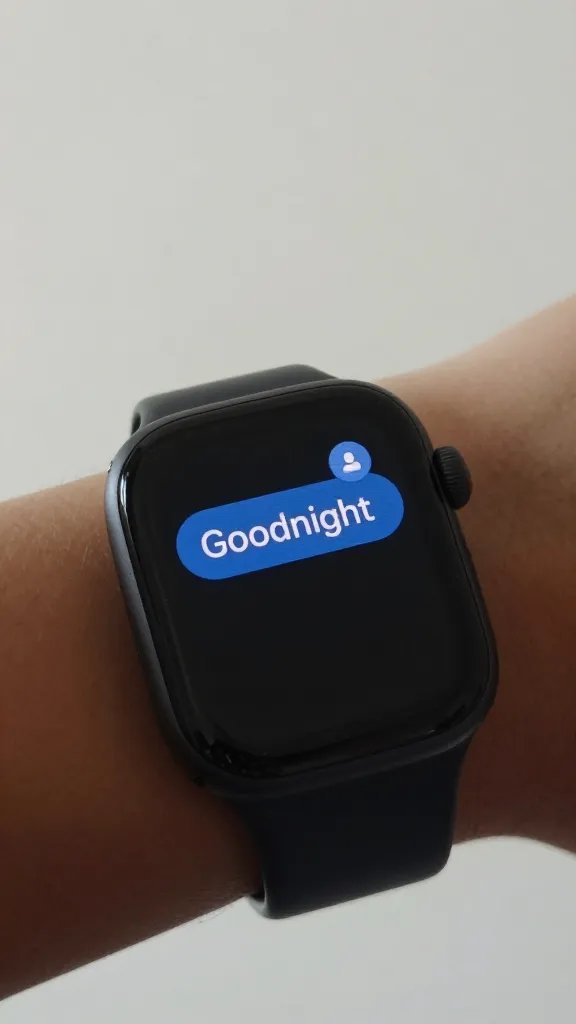
Get the Free 7-Day Reset- Goodbye and good night texts before the night starts. A quick “Love you, sleep well” can make the morning coffee feel like a hug.
- Same-day touchpoints when possible. A 5-minute call or voice note after the first shift can remind you you’re still a team.
- Shared digital space a single photo album or notes doc for little updates, memes, and reminders. It’s like a memory bank you both troop through every day.
Communication tactics that actually land
Communication is the lifebuoy here, but it’s got to be practical, not exhausting. Try these moves:
- Define your communication windows. Nobody can text forever. Decide a couple of windows where you check in without waking the sun.
- Voice notes over long texts when you’re tired. It’s faster, warmer, and saves your thumbs from mutiny.
- Be explicit about needs. Instead of “I miss you,” say “I’d love a 10-minute video call after your shift.” Clarity beats guessing games.
Rituals around the clock: structure your week
Night shifts disrupt weekly rhythms, so create a framework that still feels normal:
- Weekly “date” blocks at a time you can both manage. It could be a 20-minute call, a Saturday lunch, or a 30-minute movie night when you’re both awake.
- Rotate responsibilities for chores and planning. If one person’s sleep window shifts, the other picks up a little more of the daily grind—this keeps resentment at bay.
- Plan in advance. If you know a week ahead that sleep is going to be chaotic, set expectations early so no one feels sidelined.
Maximize quality time when you actually have it
Quality over quantity matters here. Make the most of the moments you share:
- Make mealtimes sacred. If you can, eat together or at least coordinate a “dinner break” chat. Food + conversation = chemistry, especially when sleep is scarce.
- Do one shared activity that doesn’t require deep mental energy—watch a light show, play a quick game, or listen to a favorite playlist together. Small joys compound.
- Be intentional talkers. Ask open-ended questions like, “What was the highlight of your shift?” instead of “How was your day?”
Dealing with the tough nights: stress, guilt, and distance

There will be nights that feel heavier. Here’s how to handle the rough patches without spiraling:
- Name the struggle. If one of you is overwhelmed, say it out loud. Silence breeds distance, while naming the stress keeps you tethered.
- Set a care plan. Have a pre-agreed sequence for when one pours out stress: listen, validate, then offer a concrete help suggestion.
- Protect sleep as a couple’s policy. Do what you can to minimize late-night wake-ups for silly reasons. Noise machines, blackout curtains, and earplugs aren’t a cop-out—they’re tools.
Trying different modes of connection: tech, touch, and time
Mix it up so the relationship stays colorful, not robotic:
Need help putting this into practice? The free 7-Day Couples Communication Reset gives you simple daily prompts for calmer conversations.
Download the Free ResetTech-forward tricks
- Voice messages with a twist. Leave a short voice note about a silly moment from your day; it travels with warmth even if you’re not synchronous.
- Shared playlists. Build a vibe together for winding down after shifts. FYI, music is emotional glue.
Touchpoints when you’re apart
- “Good morning” rituals in different time zones. A quick check-in when the other partner starts their day and the other’s winding down creates a connective thread.
- Physical reminders. A wearable or a small token—like a bracelet or a note tucked in a jacket—signals presence without a chat marathon.
When to seek outside help (without admitting defeat)
If the distance is starting to feel like a chasm, consider a few extra steps before things slip:
- Therapy or couples coaching focused on sleep and boundary-setting can be a surprisingly good investment.
- Schedule a “relationship reset”. A short, no-judgment meeting to realign goals, boundaries, and expectations
- Community support. Talking to friends or family who’ve survived shift work can offer practical tips and moral support.
FAQ
What is the best daily routine for couples with night shifts?
A solid routine centers on predictability and small, meaningful touchpoints. Decide a couple of fixed check-in times, keep a short daily ritual (like a goodnight text or a 5-minute call), and protect at least one shared moment on days off. Flexibility is key, but consistency wins in the long run.
How do we handle holidays and special occasions?
Plan ahead and be honest about limits. Swap shifts if possible, or create a mini-celebration when you’re awake together. If you can’t synchronise, send a thoughtful gesture (flowers, a note, a favorite meal delivered) to bridge the gap.
What if one person sleeps through the other’s wakeful hours?
Use light signals, like a door light or a message in a shared app, to indicate you’re awake and available. If sleep wins too often, adjust the schedule, even temporarily, and protect crucial bonding times.
How can we keep intimacy alive without late-night makeup sessions?
Quality over quantity again. Find a bedtime routine that suits both—a short cuddle, a warm conversation, or a quick video chat before lights out. Small, deliberate connections beat marathon sessions that leave you drained.
Is it okay to ask for professional help?
Absolutely. Sleep disruption and schedule clashes are real relationship stressors. A counselor or sleep coach can offer strategies tailored to your situation without judging your choices.
How do we stay connected when one partner is exhausted all the time?
Lower the bar for connection and raise the sincerity of your efforts. Short, genuine messages, a shared daily moment, and a plan for the next catch-up keep you from drifting apart. IMO, it’s about showing up with energy, even if you don’t feel energetic.
Conclusion
Night shifts don’t have to turn your relationship into a long-distance experiment. With a handful of practical rituals, honest conversations, and a willingness to adapt, you can stay connected without turning sleep into a casualty. Start small, keep it light, and build a rhythm that works for both of you. You’ve got this—one well-timed text, one shared moment, one plan at a time.
Ready to practice better communication?
Start with the free 7-Day Couples Communication Reset, or explore the full Couples Communication Workbook & Handbook for deeper guided exercises.