It’s not easy juggling two opposite schedules, but it’s absolutely possible to build healthy routines without turning your life into a chaotic Rubik’s cube. You don’t need to become a perfect clock-watcher—just a little planning, a dash of flexibility, and some smart hacks. Let’s make routines that actually fit your life, not the other way around.
Figure out your non-negotiables first
Routines start with what matters most. What are the two or three things you absolutely want to protect—sleep, movement, meals, downtime? Get honest about them and write them down. No more “I’ll figure it out later.” If you don’t set priorities, your brain will happily chase the next shiny distraction.
– Identify your core needs: sleep window, meal times, workout slot.
– Decide which days you’ll be fully off-cycle and which days you’ll ride the in-between hours.
– Name your top non-negotiables so you can defend them when the schedule wars begin.
Synchronize sleep without turning into a zombie

Opposite schedules wreck sleep fast. Here’s how to make peace with the snooze button without giving up your social life or mental clarity.
Free workbook: Want a simple way to practice this? Get the free 7-Day Couples Communication Reset.
Get the Free 7-Day ResetCreate a flexible wind-down ritual
– Wind down at roughly the same time on both schedules, even if wake times differ.
– Use dim lights, a short stretching routine, and a simple distraction like a book or a podcast.
– FYI, caffeine goes on your own personal time-out list. Don’t drink it within six hours of your planned bed.
Master a two-sleep-slot mindset
– Have a primary long sleep window (your main recovery) and a shorter “recovery nap” slot on off days.
– Keep it simple: a 7–9 hour main sleep, plus a 20–40 minute power nap if needed.
– Protect the main window like a sacred appointment. Your future self will thank you.
Plan meals that travel well with your calendar
Food fuels routines. When schedules collide, meals become chaos. The goal: predictable nourishment with zero drama.
- Batch cook on your lightest day and stock easy-to-pack options for the tough days.
- Keep a two-slot meal plan: a quick protein + veggie option and a standby carb+
- Prep “grab-and-go” breakfasts and snacks so you don’t rely on vending machines or last-minute takeout.
Smart meal hacks for rotating shifts
– Make simple, interchangeable ingredients: grilled chicken, roasted veggies, quinoa, and fruit.
– Freeze portions that you can reheat fast. FYI: labels are your friend—date everything so you don’t play the “is this still edible?” game.
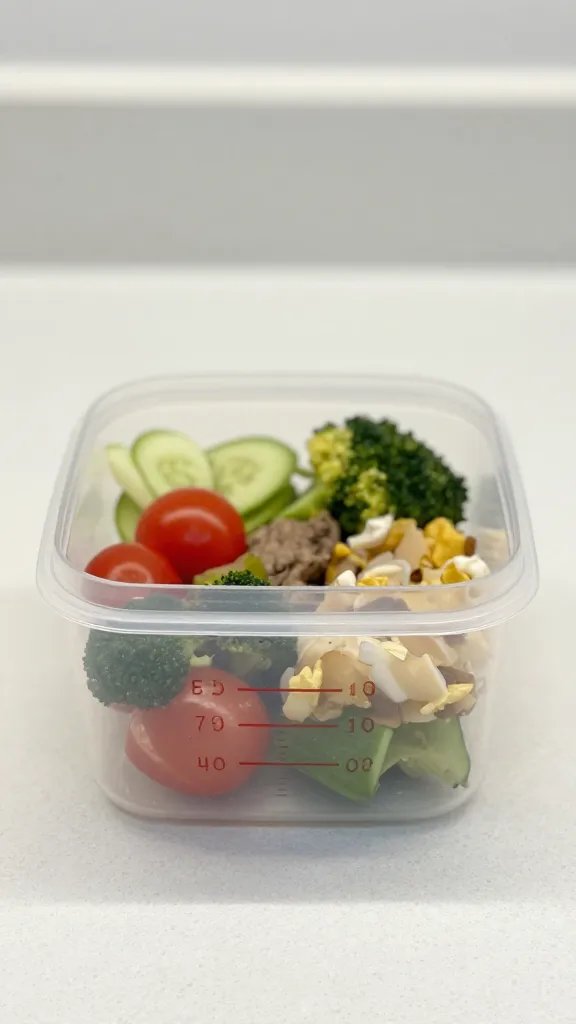
– Use a portable salad or bowl system: protein base + greens + add-ons. It’s like Lego for adults.
Move, even when your body feels like a pretzel

Exercise is your ally, not your enemy. The trick is to place it where it actually works, not where you wish it could.
Micro-workouts that pack a punch
– Short bursts: 15–20 minutes of bodyweight circuits, 3x per week. You’ll still get results.
– Commute-friendly routines: stairs, brisk walks, or a quick jog before or after shifts.
– Mix up modalities: strength on one day, cardio on another, mobility and core on rest days.
Consistency over intensity
– Pick two fixed windows for workouts per week and defend them.
– If you miss a day, don’t abandon the week—do a lighter session or swap to a longer stretch on your next open slot.
– IMO, the goal isn’t to be perfect; it’s to stay in the habit long enough to reap the rewards.
Need help putting this into practice? The free 7-Day Couples Communication Reset gives you simple daily prompts for calmer conversations.
Download the Free ResetBuild routines that adapt, not rigid plans that crumble
The biggest enemy of opposite schedules is rigidity. Build adaptability into your system so you can ride the wave instead of fighting it.
- Use a two-week rotation instead of a single-week plan. That gives you space to breathe.
- Keep a “light-day” toolkit: a 15-minute home workout, quick meal, and a bedtime routine you can run anywhere.
- Track but don’t punish: note what works, what doesn’t, and adjust with a friendly vibe.
Communication magic
– Talk with your coworkers or partner about your rhythms. A little transparency goes a long way.
– Create a shared calendar for shifts, workouts, and meals so nothing sneaks up on you.
– If you have a team shift change, propose a 1-week test plan to see what actually sticks.
Create a ritualic toolkit you actually reach for
When life gets busy, you need a toolkit you don’t have to think about. Build one that slides into your day with minimal friction.
- Sleep toolkit: blackout mask, earplugs, cool-down playlist, and a consistent pre-sleep routine.
- Nutrition toolkit: a few go-to grab-and-go meals, a fruit bowl, a stash of healthy snacks.
- Movement toolkit: a compact resistance band, jump rope, and a 10-minute mobility flow.
Technology that helps, not sabotages
– Use reminders to anchor your routine, not nagging alerts that add stress.
– Screen time blocks after your wind-down ritual can protect sleep. FYI, blue light filters help, but they’re not magic.
– Track mood and energy in a simple journal or app. You’ll spot patterns faster than you think.
FAQ: Quick answers to common questions
Can I still have a social life with opposite shifts?
Yes. Save social time for your high-energy periods when you’re most awake, and keep a predictable routine on the other days. Short, meaningful hangouts beat long, exhausting marathons.
What if my shifts rotate every week?
Lean into a two-week rhythm rather than a strict daily plan. Adjust your main sleep window and meals to fit the majority of your shifts, and treat the outlier days as special cases with a shorter plan.
How do I stay motivated when I’m exhausted?
Keep it tiny and consistent. Two 10-minute workouts or a 15-minute walk beat a three-hour gym session that never happens. Motivation follows momentum—start small, stay steady.
Is it okay to use caffeine to power through tough days?
Moderation is the name of the game. Time caffeine so it doesn’t disrupt sleep. If you’re jittery, switch to lower-caffeine or decaf later in the day.
What if I fall off the wagon?
No guilt, just a quick reset. Revisit your non-negotiables, adjust your plan, and try a smaller, more doable version of your routine for the next few days. Imperfect is still progress.
Conclusion
Opposite work schedules don’t have to derail your health. By prioritizing non-negotiables, aligning sleep and meals, and building flexible, high-impact routines, you create a life that respects both shifts and your well-being. Start small, stay curious, and give your future self a high-five for showing up consistently. You’ve got this. FYI, the best routine is the one you actually follow, not the one you envy on social media.
Ready to practice better communication?
Start with the free 7-Day Couples Communication Reset, or explore the full Couples Communication Workbook & Handbook for deeper guided exercises.