The moment a storm siren blares or a hurricane alarm sounds, couples either cling to each other or freak out like cats on a ceiling fan. Handling different attitudes toward emergency preparedness as a duo isn’t about who’s right. It’s about figuring out how to be smarter together without turning your home into a full-on stress fest.
You don’t need to transform into a prepper hero overnight. You just need a plan you both can live with and actually use. FYI, small, practical steps beat grand guarantees any day.
Understanding the Gap: Why Attitudes Clash in the First Place
People’s reactions to emergencies come from a mix of past experiences, risk perception, and personal energy. One partner might picture the worst-case scenario and want every base covered, while the other plays it cool and trusts luck and timing. That mismatch isn’t a sign of love failing—it’s a signal to tune into each other’s nerves.
– Ask open-ended questions instead of delivering a TED Talk on catastrophe safety.
– Acknowledge emotions before offering solutions.
– Remember that urgency isn’t the same as anxiety. You can be calm and prepared at the same time.
Start with a Couple’s Safety Mindset
A shared mindset helps you move from “What if” to “What now.” It’s not about converting one hero to another; it’s about creating a duo who acts like a well-oiled team.
– Define your non-negotiables: 1 or 2 must-haves that both of you agree on (like a 72-hour kit or a family plan).
– Create a simple decision framework: if X happens, we do Y. Keep it practical and repeatable.
– Schedule a monthly check-in to refresh plans and celebrate small wins. Yes, celebration is allowed.
Free workbook: Want a simple way to practice this? Get the free 7-Day Couples Communication Reset.
Get the Free 7-Day ResetPractical Steps that Respect Different Energies
You don’t have to turn into the Boy Scout version of yourself to be prepared. You just need a handful of easy, boringly dependable actions.
2-Week Kit, One Pass at a Time
– Start with a single 2-week emergency kit per person. Build it gradually, adding one item at a time.
– Split responsibilities: one partner picks water and food, the other handles shelter and tools.
– Keep a shared list on your phone so you both can add or remove items without drama.
Home Base vs. On-the-Go Readiness
– Designate a primary safe room with ready-to-grab essentials.
– Build a lightweight “go bag” for each of you with basics: water, snacks, a flashlight, a first-aid kit.
– Create a chore chart for maintenance items (batteries, flashlights, chargers) so nothing slips through the cracks.
Communication That Doesn’t Turn into a War Room
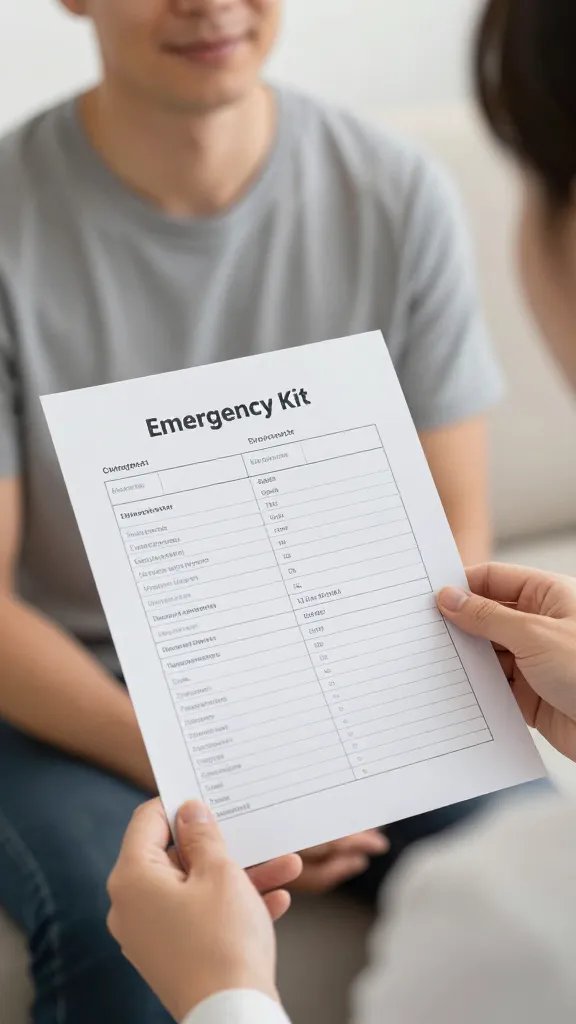
Communication is the secret sauce, but it’s also where most couples derail. You don’t need to win every argument; you need to finish with a plan.
– Use “I feel” statements to express concerns without blaming.
– Schedule “prep talks” at a calm time, not during a crisis or after a long day.
– Create a signals system for quick emergencies (a text, a nod, a specific phrase) so you aren’t left guessing.
When One Partner Feels Overwhelmed
– Offer a concrete, low-pressure task. Keep the scope tiny and doable.
– Reassure with progress checks: “We’ve got the water sorted; we’ll tackle food next week.”
– If anxiety spikes, switch to a grounding exercise or a short break before continuing.
Practical Roles: Who Does What Without Fuss
Assigning roles helps both partners lean into their strengths without stepping on toes. You don’t need a chore chart that looks like a corporate org chart; you just need clarity.
– Planner: keeps the overall strategy, checks expiration dates, maintains the long-term kit.
– Doer: handles hands-on tasks, like assembling bags, organizing the garage, labeling boxes.
– Communicator: shares updates, coordinates with family or neighbors, and runs the drills.
– Auditor: tests the plan, checks batteries, ensures the emergency numbers are up to date.
Rotating Roles Keeps It Fresh
– Swap roles every few months to prevent burnout and to build mutual respect.
– Use a reminder system (calendar event or shareable note) to prompt the swap.
Need help putting this into practice? The free 7-Day Couples Communication Reset gives you simple daily prompts for calmer conversations.
Download the Free ResetTraining and Drills without the Dramas

Practice makes preparedness less scary and more normal. Short drills, not endless snooze-fest sessions, work best.
– Do a 5-minute drill once a quarter: practice grabbing bags, locating exits, gathering kids or pets.
– Run a “worst-case” scenario in a casual way: “If the power goes out for 12 hours, what do we do first?”
– Debrief with one simple question: What worked? What didn’t? What’s the one change we’ll try next time?
Kids, Pets, and the Real-Life Equation
If you have kids or pets, you’re juggling a bigger, messier puzzle. You want safety without freaking everyone out.
– Include kids in age-appropriate planning. Give them simple tasks like gathering a favorite stuffed animal or helping locate flashlights.
– Pet preparedness matters: a carrier, leash, ID tags, and a supply of food and medications.
– Keep a family “meeting spot” plan so everyone knows where to go if you’re separated.
Maintaining Momentum Without Burning Out
Staying prepared long term is less about intense bursts and more about sustainable habits.
– Make it a lifestyle, not a project: quick, reusable routines beat long, one-off efforts.
– Celebrate tiny wins: “We rotated the batteries!” feels great and keeps the habit going.
– FYI: keep your plan easily accessible, ideally something you both can pull up on a phone in a pinch.
Digital Tools That Help (Without Taking Over Your Life)
– Shared checklist apps to track supplies and tasks.
– Calendar reminders for drills and kit refreshes.
– A single cloud note with critical information (emergency contacts, medical notes, evacuation routes).
FAQ
What if my partner refuses to participate in any planning?
If they’re resistant, start with tiny, non-threatening tasks. Offer options rather than directives. Keep it low-pressure and show how small steps improve daily life, not just emergencies. Invite them to co-create a single, simple plan first, then expand slowly.
How do we manage differences in risk perception without arguments?
Agree on a common risk baseline: what’s an acceptable level of risk for both of you? Use a simple decision framework: If the risk exceeds our agreed threshold, we implement step A. If it stays below, we monitor and revisit. Short, repeatable rules beat heated debates.
What should a basic 72-hour kit include for couples?
A lean kit should cover water (1 gallon per person per day for 3 days), non-perishable food, a flashlight, batteries, a first-aid kit, a radio, a whistle, a copy of important documents, and a small amount of cash. Add personal items like medications or baby supplies as needed.
How often should we update our plan?
quarterly reviews work well for most couples. If you have kids, pets, or live in a high-risk area, consider monthly check-ins. Keep it light and constructive—no guilt trips about past misses.
What if a real emergency happens and we’re caught off guard?
Stay calm. Use your agreed-upon decision framework and lean on your drills. Remember that you’ve practiced, improved, and can adjust on the fly. After the event, debrief together to tighten the plan.
Conclusion
Being a prepared couple isn’t about turning your home into a bunker or one partner turning into a drill sergeant. It’s about building a shared mindset, practical routines, and channels of communication that respect both nerves and strengths. Start small, keep it human, and celebrate every steady step you take together. You don’t have to be perfect to stay prepared—you just need to stay connected, and yes, a little bit organized.
Ready to practice better communication?
Start with the free 7-Day Couples Communication Reset, or explore the full Couples Communication Workbook & Handbook for deeper guided exercises.