The thing about last-minute plan changes is that they always feel personal, even when they’re not meant to be. One minute you’re pumped, the next you’re scrambling with receipts, excuses, or a fresh Netflix queue. Let’s turn those curveballs into calmer moments and smarter responses, so you don’t end up spiraling into drama.
Why last-minute changes sting—and what you can do about it
Ask most people and they’ll say: “Because it feels like you don’t value my time.” But often it’s not about you at all. It’s about priorities, miscommunication, or simple scheduling chaos. The goal isn’t to win every argument; it’s to keep connection intact while protecting your own time.
– Recognize the pattern: Is this a one-off or a recurring thing?
– Separate intention from impact: Did they mean to upset you, or did they genuinely forget?
– Decide what you’ll tolerate: Is there a boundary you need to set?
Hit pause before reacting

When the plan changes in a hurry, your impulse might be to fire off a sharp message or let frustration spill over. Don’t. Pause is your superpower here.
– Take a breath and name the feeling: “I’m frustrated because I had this planned.”
– Ask a clarifying question instead of a heated accusation: “What happened with the timing?”
– Give yourself a 60-second rule: respond once you’ve cooled down.
Free workbook: Want a simple way to practice this? Get the free 7-Day Couples Communication Reset.
Get the Free 7-Day ResetSet healthy boundaries without sounding bossy
Boundaries aren’t about control; they’re about respect—yours and theirs. You can set them without turning it into a battle.
Practical boundary examples
- “If plans change after I’ve committed, I’ll need at least a 2-hour heads-up.”
- “I’m happy to reschedule, but I won’t cancel everything I had planned for the day.”
- “If this becomes a habit, we’ll need to revisit how we plan things.”
Turn last-minute chaos into collaborative planning
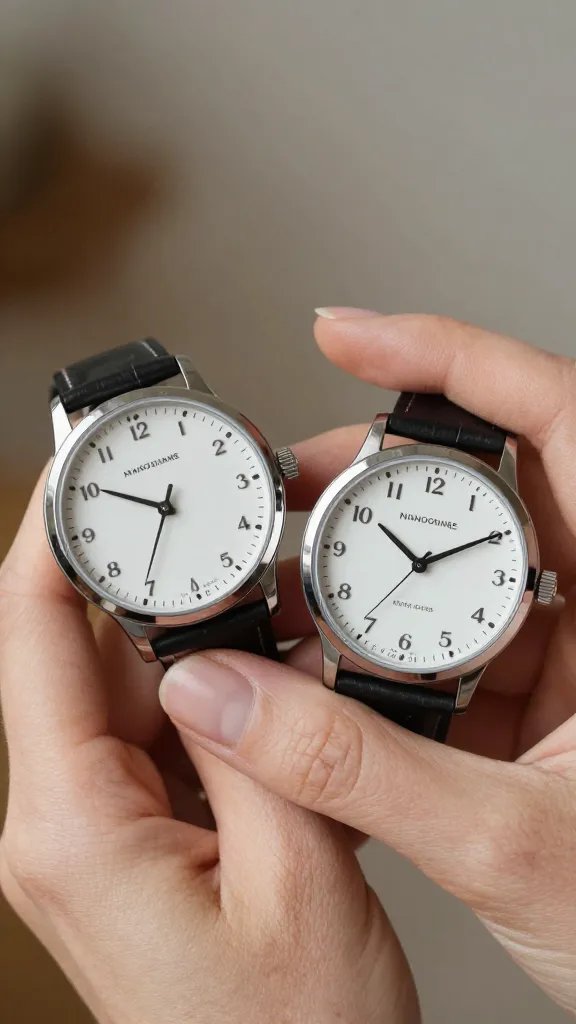
If your partner keeps flipping the script, flip the script with them. Co-create a method that respects both your time and their spontaneity.
Co-creation ideas
- Two-step confirmation: Before you lock anything in, confirm “Are we good with this timing?”
- Backup plans: Have a quick fallback option in case the original plan collapses.
- Time-blocking: Schedule a rough window rather than a fixed hour, so wiggle room exists without chaos.
When last-minute changes reveal bigger issues
Sometimes the pattern isn’t about planning—it signals something bigger: misaligned priorities, stress, or burnout. Don’t skate past it.
How to read the underlying signal
- Notice the frequency: once in a blue moon is different from weekly chaos.
- Check your own boundaries: Did you cave too quickly in the past?
- Explore their stressors: Is work pressure or family stuff pushing changes?
Communicate, don’t weaponize the insecurity
Communication is your best ally here. Speak from your experience, not from a place of accusation.
Need help putting this into practice? The free 7-Day Couples Communication Reset gives you simple daily prompts for calmer conversations.
Download the Free ResetHow to phrase it nicely
- “I feel anxious when plans change last minute because I’ve already rearranged my day.”
- “I’d rather we decide together on a solid plan, or at least give each other a heads-up if something shifts.”
- “Let’s figure out a system that keeps both of us comfortable.”
FAQ: Quick answers to common questions
Why do last-minute changes happen so often for some people?
They often come from a mix of spontaneity, optimism about what can fit in, or simple poor planning. Sometimes stress or multitasking makes them under-communicate. FYI, it’s rarely about you personally—it’s usually about their own day-to-day overwhelm.
How can I respond in the moment without blowing things up?
Lead with curiosity, not accusations. Ask clarifying questions, acknowledge their perspective, and propose a practical path forward. For example: “I get why this changed; what’s the best way to rework this so we both feel good?”
What if this becomes a deal-breaker?
If it’s a chronic pattern that erodes trust, you owe it to yourself to assess boundaries and, if needed, have a deeper talk about compatibility. You deserve a partner who respects your time as much as you respect theirs.
Is humor a good way to diffuse tension?
Sure—as long as it’s light and not mocking. A cheeky, self-deprecating line can defuse a spike of irritation and remind you both you’re on the same team. Just avoid sarcasm that lands as sharp blows.
What are some quick rituals to reduce last-minute chaos?
– A 5-minute “plan check” each week to sanity-check upcoming events
– A simple text: “Plan confirmed?” the day before
– A shared calendar with reminders and a “backup time” option
How to recover if you overreacted
We’ve all snapped once in a while. If you’re noticing you yelled, guilt-tripped, or let frustration spill, own it.
– Apologize succinctly: “Sorry I got heated earlier; I value your time.”
-Explain the trigger, not the blame: “I felt rushed and that spilled over.”
-Propose a reset: “Let’s try a calmer approach next time.”
Conclusion
Last-minute plan changes don’t have to derail your relationship or your sanity. With a dab of boundary-setting, a splash of curiosity, and a pinch of humor, you can navigate the chaos and come out stronger. Remember, it’s not about never changing plans; it’s about how you handle the changes together. FYI, the better you get at this, the fewer fireworks you’ll need to avoid the awkward conversations later. You’ve got this.
Ready to practice better communication?
Start with the free 7-Day Couples Communication Reset, or explore the full Couples Communication Workbook & Handbook for deeper guided exercises.