I know the vibe: you want guests over without turning your home into a norms-versus-neighbors showdown. The secret? Clear, friendly talk that sets expectations before anyone shows up. No passive-aggressive post-it notes needed. Let’s make hosting feel easy, not a power struggle.
Setting the ground rules without turning it into a lecture
So you have people over and you want everyone to be comfy, including you. The trick is to state expectations early and with warmth. Think of it like laying out the menu before a date night—no surprises, just shared vibes. FYI, honest upfront conversations prevent a lot of awkward back-and-forth later.
Identify the main expectations you actually need

Not every visit needs a full policy. Identify a few core points that matter most to you and your space. For example:
Free workbook: Want a simple way to practice this? Get the free 7-Day Couples Communication Reset.
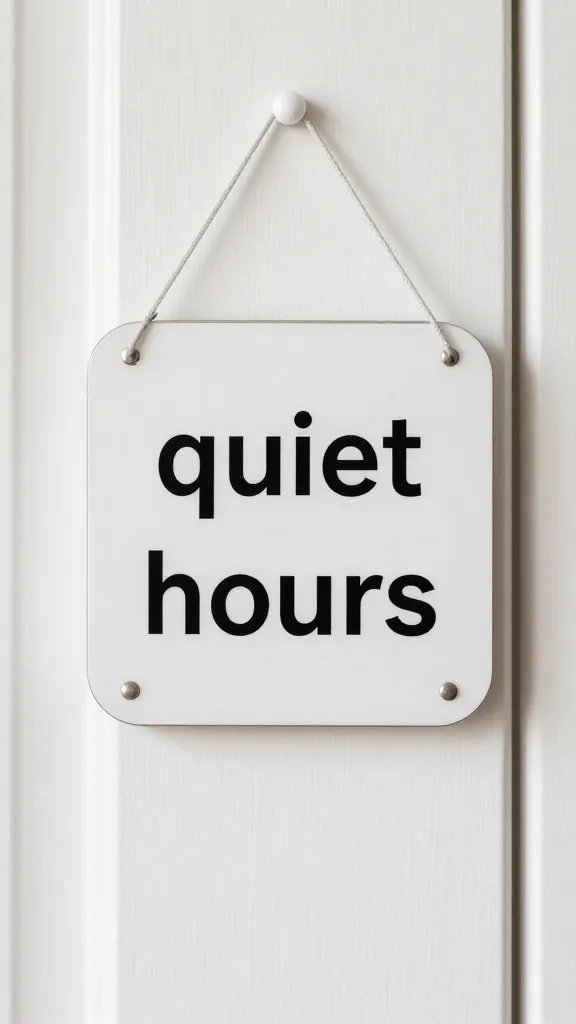
Get the Free 7-Day Reset- Quiet hours or late-night noise tolerance
- Guest etiquette around shared spaces (kitchen, bathroom, living room)
- Use of amenities (TV, streaming accounts, wifi limits)
- Duration of stay and check-out timing
Ask yourself: what’s the deal-breaker? What will wreck my vibe if ignored? Answering these helps you keep conversations focused and sane.
How to bring it up without sounding like a drill sergeant
Conversation starters beat awkward reminders any day. Try:
- “I’m super excited you’re visiting. A couple of house rules will help us all have a great time.”
- “Here’s what I’m planning for the guest room and common areas—what works for you?”
- “If something bugs you, tell me right away so we can adjust.”
Keep it light, specific, and reciprocal. People hate vague ultimatums; they love a playlist that includes their own tracks. People also appreciate when you acknowledge their needs. If you’re hosting a friend who loves to cook, you might say, “If you want to cook, we can swap nights for kitchen use.” See? Collaborative.
Setting boundaries with tact (and a smile)
Boundaries aren’t cages; they’re peacemakers. Use “I” statements to own your space without accusing guests.
- “I need to keep the kitchen quiet after 10 so I can sleep.”
- “I share a bathroom with everyone, so if you’re running late, a quick text helps a lot.”
If someone pushes back, acknowledge their perspective: “I get that you love a midnight snack, but the kitchen is closed after 11.” Then offer a compromise, like “We can set aside snack times earlier in the evening.”
Creating a simple, visible plan for guests
Put it somewhere obvious but friendly. A small, printed note or a quick text works wonders.
What to include in a guest-friendly note
- Quiet hours and best times for socializing
- Where to find essentials (towels, extra blankets, charger spots)
- Wi-Fi details and any password changes during the stay
- Household rhythms (when coffee is ready, garbage day, etc.)
If you’re techy, a shared checklist in a messaging thread can be even easier. FYI, people appreciate clarity more than dramatic flair.
Handling different expectations from guests (and vice versa)

You won’t agree on everything. That’s fine. The goal is to negotiate so everyone can feel comfortable. Start with curiosity: “What would make your visit easier?” Then share your own needs: “Here’s how I recharge after hosting.” Keep the conversation flowing, not a one-sided monologue.
When plans collide: quick conflict resolution
– Acknowledge timing issues: “I know you wanted to stay later, but I need quiet by midnight.”
– Offer a practical alternative: “We can shift your visit to an earlier date next time.”
– Propose a trial run: “Let’s do a test week with these times and tweak as needed.”
These moves reduce defensiveness and open doors to compromise.
Need help putting this into practice? The free 7-Day Couples Communication Reset gives you simple daily prompts for calmer conversations.
Download the Free ResetMedium-stakes etiquette: everyday interactions
Small courtesy goes a long way. Here are easy habits to keep the peace:
- Ask before borrowing or rearranging; respect consent for shared spaces.
- Clean up after yourself; a quick “I’ll tidy the kitchen in 10 minutes” helps.
- Offer choices, not commands: “Would you like coffee or tea?” instead of “Make it hot.”
- Label guest spaces with basic supplies—towels, soap, spare toothbrushes.
These micro-actions signal respect and reduce friction.
How to read the room: signs that adjustments are needed
Sometimes your guests won’t say a thing but their behavior says plenty.
- Repeatedly drifting into private areas? Set a gentle boundary about shared spaces.
- Sleep seems hard for someone? Quiet hours might need tightening.
- Waste baskets overflowing? Revisit trash and recycling routines with a quick reminder.
Your job is to be observant and kind. A gentle check-in beats resentment every time.
FAQ
What if my guest challenges the rules?
Chill out and listen. Reflect back what you hear: “So you’d prefer more leniency about late nights?” Then propose a practical compromise and set a clear time window. If needed, reaffirm the boundaries with a friendly reminder at the start of next visit.
How do I handle last-minute guests who want to stay longer?
Be honest but flexible. Offer alternatives like a later check-out if possible, or propose a plan for the next visit that works for both sides. If not, propose a courtesy that preserves your own routines without making them feel unwelcome.
What if my space is small and I can’t accommodate more people?
Communicate early. Suggest nearby alternatives and invite them to a day visit instead of an overnight stay. If you’re comfortable, offer a public space where they can hang out rather than occupying private areas.
How can I keep humor in the conversation without undermining boundaries?
Light jokes help, but keep them kind and inclusive. A quick, “FYI, we’re all about good vibes and good sleep,” sets a friendly tone. Avoid jabs or sarcasm that could be misread as judgment.
Is it okay to set different rules for different guests?
Yes, as long as you’re fair and transparent. If one guest requires extra quiet or a private space for medical reasons, explain the adjustments clearly and calmly. Consistency helps too—avoid shifting expectations mid-visit.
How do I maintain boundaries across longer stays?
Revisit the plan after a few days. A casual check-in like, “How are we feeling about the schedule this week?” goes a long way. Adjustments are normal; don’t pretend everything’s perfectly smooth if it isn’t.
Conclusion
Setting expectations for household guests doesn’t have to feel like a power struggle. It can be a practical, even pleasant, part of hosting. Be upfront, be kind, and give everyone a simple roadmap they can follow. When in doubt, keep it collaborative and short. After all, the best host is the one who keeps the vibe warm and the chaos at bay. IMO, clear communication is the secret sauce that makes visits smoother, calmer, and a little more fun for everyone involved.
Ready to practice better communication?
Start with the free 7-Day Couples Communication Reset, or explore the full Couples Communication Workbook & Handbook for deeper guided exercises.